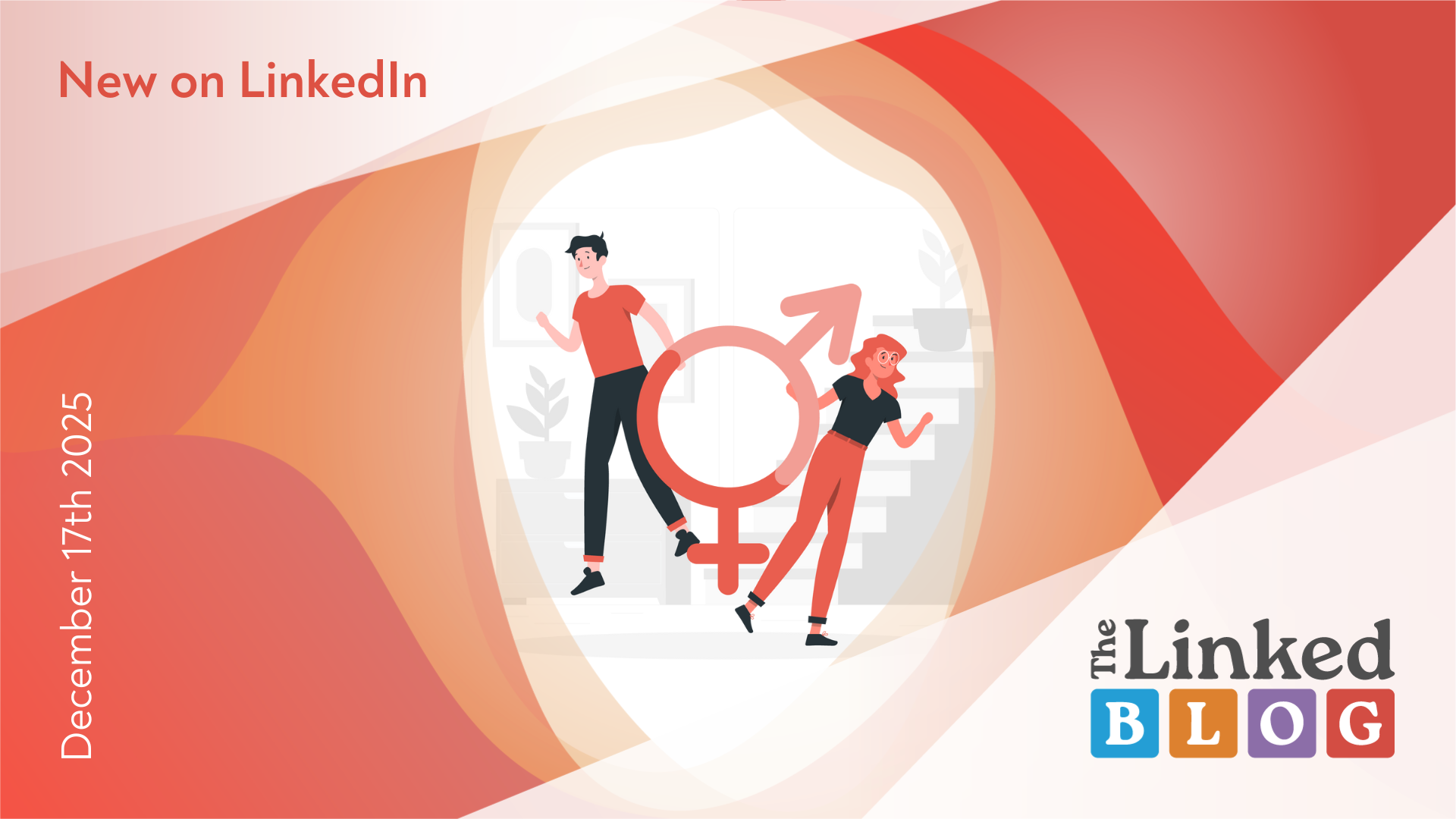
A wave of user experiments has sparked debate about whether LinkedIn’s feed favors male profiles. Several users reported significant performance differences when switching profile gender presentation, with claims of dramatically higher impressions on the same content – amplified through the #wearthepants hashtag.
The controversy in brief
The reports suggest that identical posts may receive different distribution depending on whether the author is perceived as male or female. While these tests are anecdotal and hard to control, they spread quickly because they connect to a wider concern: whether algorithms replicate real-world bias.
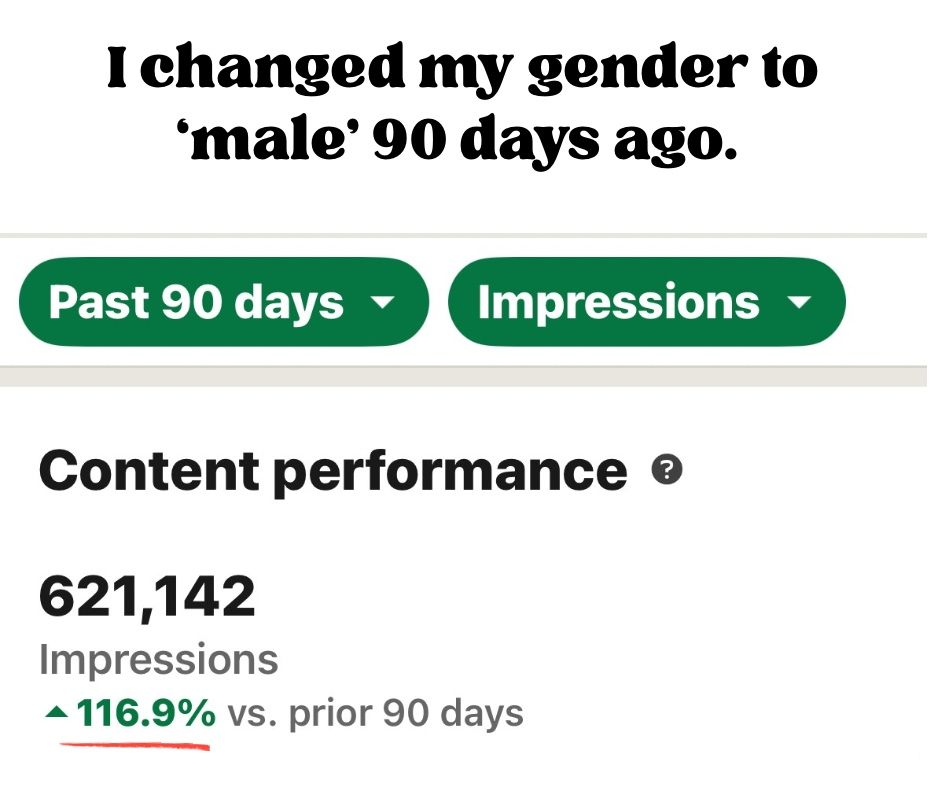
Source: Felice Ayling
LinkedIn’s official response
LinkedIn’s Sakshi Jain stated that the platform’s algorithm and AI systems do not use demographic information (including gender) as a signal for feed visibility. LinkedIn argues that reach fluctuates due to real-time variables such as timing, audience activity, and overall content volume, making side-by-side comparisons unreliable as proof.
What could still be happening
Even if the algorithm isn’t using gender as a ranking input, user behavior may still create unequal outcomes. If audiences engage differently based on perceived identity, the feed can indirectly reflect that behavior. LinkedIn also notes it runs internal tests to ensure no demographic group is systematically ranked lower.
Practical takeaway for creators and brands
If you’re diagnosing reach, focus first on controllable variables (topic-market fit, hook clarity, format, timing windows, and audience density). At the same time, the conversation is a reminder that perceived identity can shape engagement – and that platform transparency matters for trust.
The Linked Blog is here to help you or your brand have the best possible LinkedIn presence, so feel free to contact us if you need help! See more about what we can do for you here.