
The experiment could give smaller creators a new path to visibility — if their content is relevant enough
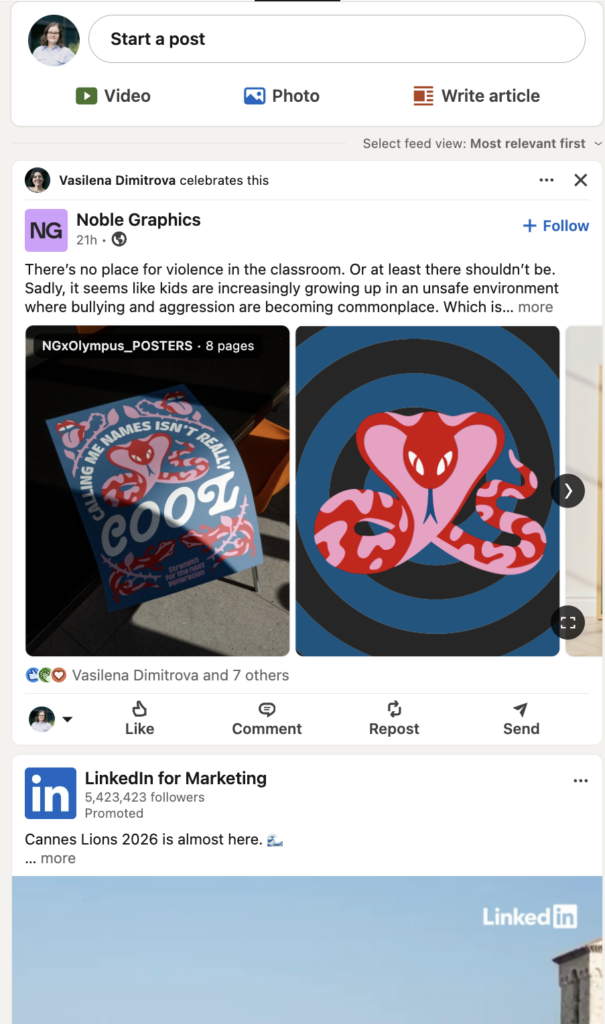
LinkedIn is testing a new way to organize the feed, with some users now seeing Suggested Feeds alongside their regular homepage experience.
According to Social Media Today, the test shows topic-focused content feeds recommended to users based on the subjects they engage with in the app, as well as trending professional conversations that may be broadly relevant. LinkedIn has tested similar alternative feed options before, but this version appears more focused on helping members follow specific topics, industries, and news areas.
At first glance, this may look like a small navigation experiment. But if LinkedIn expands it more widely, Suggested Feeds could become part of a much bigger shift: the platform moving from a feed shaped mostly by who you know toward one increasingly shaped by what you care about.
What LinkedIn Is Testing
The current LinkedIn feed already includes more than posts from your first-degree connections. Members regularly see posts from people they follow, companies they engage with, suggested posts from outside their network, ads, trending conversations, and content the algorithm believes may be professionally relevant. Suggested Feeds appear to separate part of that discovery process into more defined topic streams.

Source: Julia Cabral Flavin
Instead of waiting for the main feed to surface relevant posts, members could explore dedicated feeds around subjects they already engage with or topics LinkedIn believes are gaining momentum. That difference matters because a personalized main feed is still a mixed environment. It balances connection updates, creator content, professional news, ads, and algorithmic recommendations.
A suggested topic feed, on the other hand, could give LinkedIn a cleaner way to group content around areas of interest — AI, marketing, hiring, leadership, finance, entrepreneurship, or any other professional category the platform decides to support. In practice, that could make LinkedIn feel less like a network-first feed and more like a professional interest graph.
How the Feed Already Works
LinkedIn has already been moving in this direction for some time. Its Help Center explains that suggested posts are posts from outside a member’s network that LinkedIn believes may be valuable and relevant. The platform says it uses a variety of signals to decide which suggested content to show, including professional relevance, member interests, and past engagement.
LinkedIn also explains that it uses algorithms to learn about member interests, organize feed content, recommend relevant jobs and connections, and reduce the distribution of low-quality or unsafe content.
This means LinkedIn’s feed is already personalized. The platform is not simply showing users the most recent posts from people they know. It is ranking content based on relevance, predicted interest, and professional value.
Suggested Feeds would take that logic further by making topic-based discovery more visible. For creators and companies, this is important because it reinforces a direction LinkedIn has been signaling for a while: content needs to be understandable not only to people, but also to the algorithm.
If the platform can clearly classify what your post is about, who it is relevant to, and why it adds value to a professional conversation, that content has more opportunities to travel beyond your immediate network.
LinkedIn Is Following a Wider Social Media Shift
LinkedIn is not alone in rethinking how feeds should work. Across social media, platforms are moving away from purely chronological or follower-based distribution and toward more personalized, interest-driven experiences. TechCrunch recently described this as the next evolution of social media, with platforms giving users more direct control over the algorithms that shape what they see.

Source: FreePik
Threads, Instagram, TikTok, and other platforms have already experimented with ways for users to influence their recommendations, follow specific topics, or train their feeds more directly. The underlying reason is simple: platforms want to keep users engaged by showing them content they are more likely to consume.
LinkedIn’s version of this shift is naturally more professional. Instead of entertainment trends, the focus is industry news, workplace conversations, business ideas, career development, and expertise. But the direction is similar. The platform is trying to understand not only who people are connected to, but what they want to learn, discuss, and follow.
A New Chance for Smaller Creators
The most interesting consequence may be for smaller creators and users with fewer connections. Historically, LinkedIn reach has been strongly influenced by network size. People with large audiences had a natural advantage because their content could generate early engagement faster, giving the algorithm more signals to distribute it further.
Suggested Feeds could soften that advantage. If LinkedIn creates stronger topic-based discovery paths, a good post about AI, logistics, cybersecurity, real estate, sales, or leadership may have a better chance of being shown to people interested in that topic, even if the author does not have a large follower base.
That does not mean followers stop mattering. But it does mean relevance may become a stronger distribution signal. For smaller creators, this is potentially good news. It suggests that consistent expertise, clear positioning, and high-quality content could matter more than raw audience size. A creator with 2,000 followers but a sharp point of view on a specific topic may become more discoverable if LinkedIn has more places to surface that content.
For companies, the same logic applies. A brand page or executive profile that publishes vague corporate updates may struggle. But a company that consistently contributes useful insight around a defined area of expertise may gain more visibility if LinkedIn continues building feeds around professional interests.
Quality Becomes Easier to Reward
This also aligns with LinkedIn’s broader push toward higher-quality content. The platform has repeatedly emphasized professional relevance, expertise, and meaningful engagement over empty visibility tactics. It has also become more sophisticated in understanding content context, not just surface-level engagement.
That is where Suggested Feeds become strategically interesting. A topic-based feed only works if LinkedIn can reliably identify which content belongs there. That puts more pressure on posts to be clear, specific, and useful. Generic thought leadership becomes harder to categorize. Overly promotional updates become less likely to travel. Content written for everyone may end up resonating with no one.
The better strategy is to create content that clearly belongs somewhere. That means sharper angles, stronger subject-matter expertise, and more consistent themes. It also means moving away from posting simply to stay visible and toward publishing ideas that contribute to recognizable professional conversations.
In this sense, Suggested Feeds may reward the people and brands that already treat LinkedIn as an expertise platform, not just a distribution channel.
The Bigger Direction
LinkedIn may never launch Suggested Feeds exactly as they appear in the current test. The platform has experimented with alternative feed experiences before, and not every test becomes a permanent feature.
But the direction is becoming difficult to ignore. LinkedIn is gradually moving away from a feed defined mainly by connections and toward one shaped by interests, expertise, and professional relevance. That does not replace the network. It adds another layer on top of it.
If this model expands, the biggest winners may not be the people with the largest audiences. They may be the people who are easiest to understand, easiest to classify, and most consistently useful within a specific professional conversation.
Written with the assistance of AI tools and reviewed by the author.