When it comes to the latest on the topic of LinkedIn, we’re looking towards a 2026 shared reality: careers are less linear, feeds are more competitive, and visibility now depends on relevance rather than volume. From how the Feed actually works, to why long-term career plans are losing meaning, to what data reveals about shrinking reach per post — this edition connects the dots between platform mechanics, professional mindset, and content strategy.
LinkedIn Explains How the Feed Works and What Drives Reach in 2026
LinkedIn reports continued growth in platform activity, with content sharing up 15% and comments increasing by 24% year over year, according to Gyanda Sachdeva, VP of Product Management. In a year-end update, she addressed some of the most common questions around posting, reach, and the Feed.
LinkedIn says the strongest engagement comes from authentic, experience-based content, including industry perspectives, informative insights, and personal career stories. While AI can support brainstorming, LinkedIn emphasizes that real professionals sharing real experiences remain the key driver of visibility.
Source: LinkedIn
The platform recommends posting 2–5 times per week, noting that members who post twice weekly see up to 5x more profile views. Reach fluctuations are normal and influenced by relevance, timing, format, and audience behavior — not demographics. LinkedIn also confirmed that hashtags do not affect distribution, while video remains a priority format going into 2026.
CEO Ryan Roslanski Says Five-Year Career Plans No Longer Make Sense
LinkedIn CEO Ryan Roslansky argues that traditional five-year career plans are outdated in a job market shaped by rapid technological and economic change. Speaking on the No One Knows What They’re Doing podcast, he said that when technology and the labor market are constantly shifting, trying to map out long-term career paths can be “a little bit foolish.”

Source: LinkedIn
Instead, Roslansky encourages professionals to focus on short-term learning and experience building, using them as stepping stones rather than rigid plans. He believes this mindset better reflects how careers actually evolve today.
AI is a major driver of this shift, transforming how people apply for jobs and how roles are defined once hired. With data showing that nearly 40% of core skills could change or become obsolete by 2030, Roslansky advises especially young professionals to learn AI tools, stay adaptable, and invest in human skills like communication and judgment as key differentiators.
LinkedIn Data for 2025 Shows More Competition, Less Reach per Post
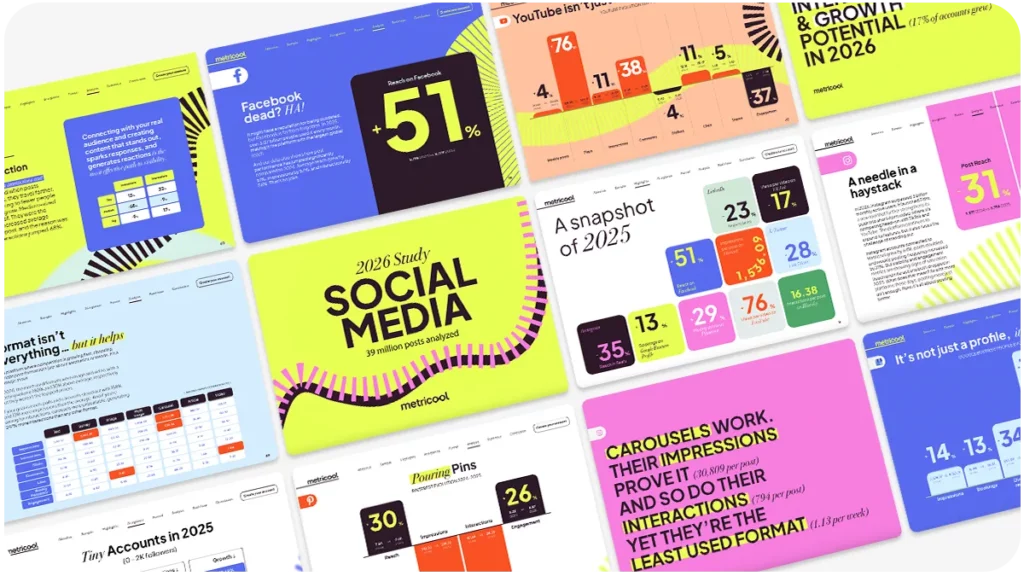
The Social Media 2026 Study by Metricool, based on 39 million posts, shows that LinkedIn activity continues to grow rapidly, with the number of posts and active accounts nearly doubling year over year Social-Media-Study-2026-EN. However, increased volume has made visibility harder to earn.
Average impressions and interactions per post declined in 2025, confirming that posting more is no longer enough. As competition intensifies, content quality and strategic differentiation play a bigger role in Feed performance.
Source: Metricool
The data highlights carousels and polls as top-performing formats, delivering higher reach and engagement than commonly used images and videos. The study also shows minimal performance differences between company pages and personal profiles, reinforcing that relevance and format matter more than account type.
Overall, the findings point to a more crowded LinkedIn feed where standing out requires sharper content strategy and active audience engagement, not just consistency.
The Linked Blog is here to help you or your brand have the best possible LinkedIn presence, so feel free to contact us if you need help! See more about what we can do for you here.