For a long time, LinkedIn was easy to define: a place for professional content, networking, and visibility. That definition is starting to feel incomplete.
The platform is gradually stretching into new territory — influencing how professional moments are organized, how careers are interpreted, and how daily engagement is built. This edition of the Linked Letter explores three recent changes that make that shift harder to ignore.
LinkedIn Moves Away from Spontaneous Live Streaming
LinkedIn is phasing out spontaneous live streaming, requiring all live broadcasts to be scheduled in advance starting in June 2026.
Users will still be able to go live on short notice, but the change clearly pushes the platform toward planned, event-driven visibility rather than unstructured real-time moments. According to LinkedIn, the goal is to make live sessions simpler, more discoverable, and more impactful.
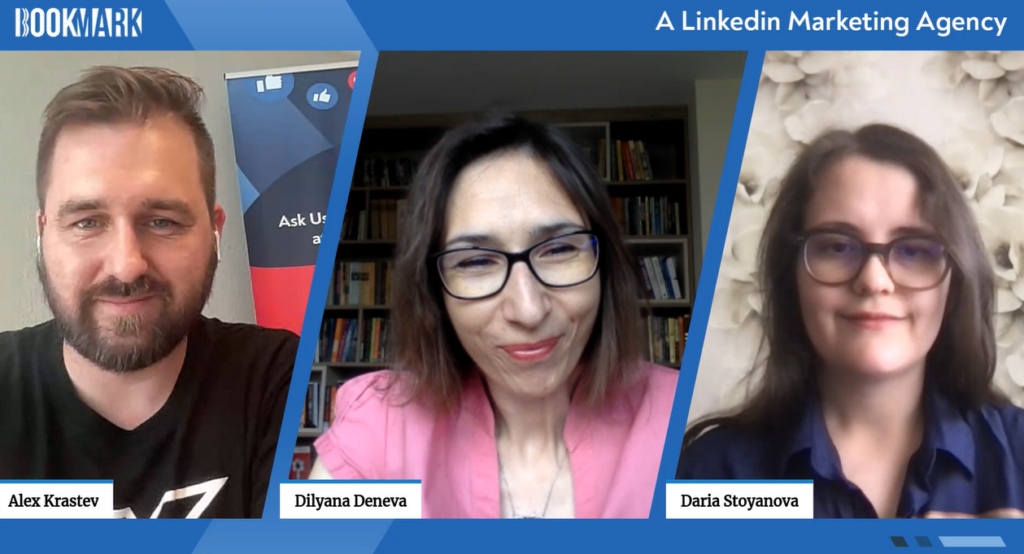
The shift also reflects how LinkedIn increasingly sees live video as part of its broader events ecosystem. With event sharing growing and event ads shown to improve viewership, scheduling appears to be less a limitation and more a way to improve turnout and intent.
The message is clear: on LinkedIn, live content is being treated less like spontaneity and more like a professional event format.
Ryan Roslansky: In the Age of AI, Careers Will Be Defined by Skills, Not Titles
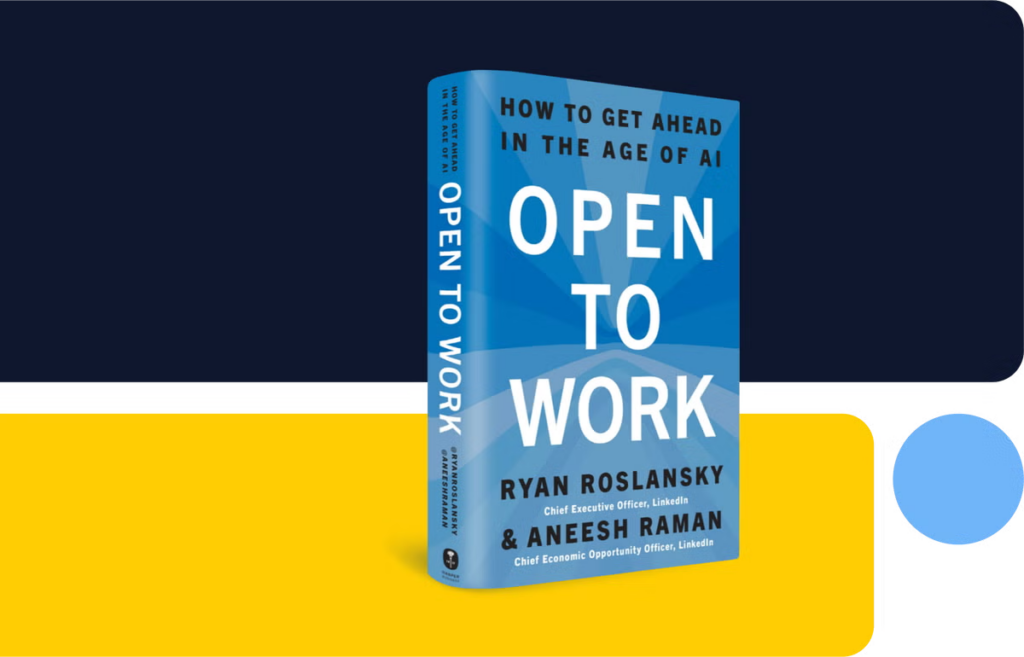
LinkedIn In a recent conversation around his upcoming book Open to Work, LinkedIn CEO Ryan Roslansky argues that the future of work should be understood through skills and tasks, not job titles.
His core point is that every role can now be broken into three layers: tasks AI can do fully, tasks humans do with AI, and tasks only humans can do. As AI takes over more routine work, the real value shifts toward judgment, decision-making, communication, and adaptability.
Source: LinkedIn
Roslansky also suggests that traditional career structures are becoming less useful in a world where roles evolve faster than titles can keep up. At LinkedIn itself, this thinking is already influencing how teams are organized and how talent is evaluated.
The broader takeaway is that careers are becoming more fluid, less linear, and increasingly shaped by a person’s ability to build relevant skills over time.
LinkedIn Is Building a Daily Habit Through Puzzles
LinkedIn’s push for engagement is no longer limited to posts, comments, and newsletters. It now includes puzzles. The platform has expanded its daily games offering with titles like Queens, Zip, and Patches, all developed under the guidance of principal puzzlemaster Thomas Snyder, a three-time world Sudoku champion who joined LinkedIn full-time in late 2025.

Source: Business Insider | Thomas Snyder
The idea is not simply entertainment. LinkedIn is using puzzles to create shared routines and low-friction daily interaction, giving users something to return for and talk about with their network. Leaderboards and recurring formats turn the games into a new kind of professional ritual.
This signals a broader strategic move: LinkedIn is finding ways to deepen engagement not only through content consumption, but through repeat behavior. It is a reminder that professional platforms are increasingly built not just on information, but on habit.
The Linked Blog is here to help you or your brand have the best possible LinkedIn presence, so feel free to contact us if you need help! See more about what we can do for you here.