

Something subtle but important is changing in how careers are built — and how value is measured. Autonomy is becoming more attractive, skills are being verified in new ways, and professional platforms are tightening their role as both infrastructure and signal.
In this edition of LinkedLetter, we look at a few developments that point to a broader shift: how professionals prove credibility, how organizations compete for talent, and how platforms like LinkedIn are positioning themselves at the center of a more skills-driven, less linear world of work.
LinkedIn Report Highlights the Growing Pull of Self-Employment in the Labor Market
LinkedIn’s newly released Labor Market Report outlines key signals shaping the workforce in 2026, including the impact of AI on jobs, hiring dynamics, layoffs, and evolving skill demand. One trend stands out in particular: the rapid rise of entrepreneurship and self-employment, especially among early-career professionals.
According to LinkedIn data, members adding “founder” to their profiles grew 60% year over year, while those identifying as “creator” increased nearly 90% between 2021 and mid-2025. Looking ahead, almost four in ten Gen Z professionals say they are interested in working for themselves, signaling a shift in how younger talent evaluates career paths.
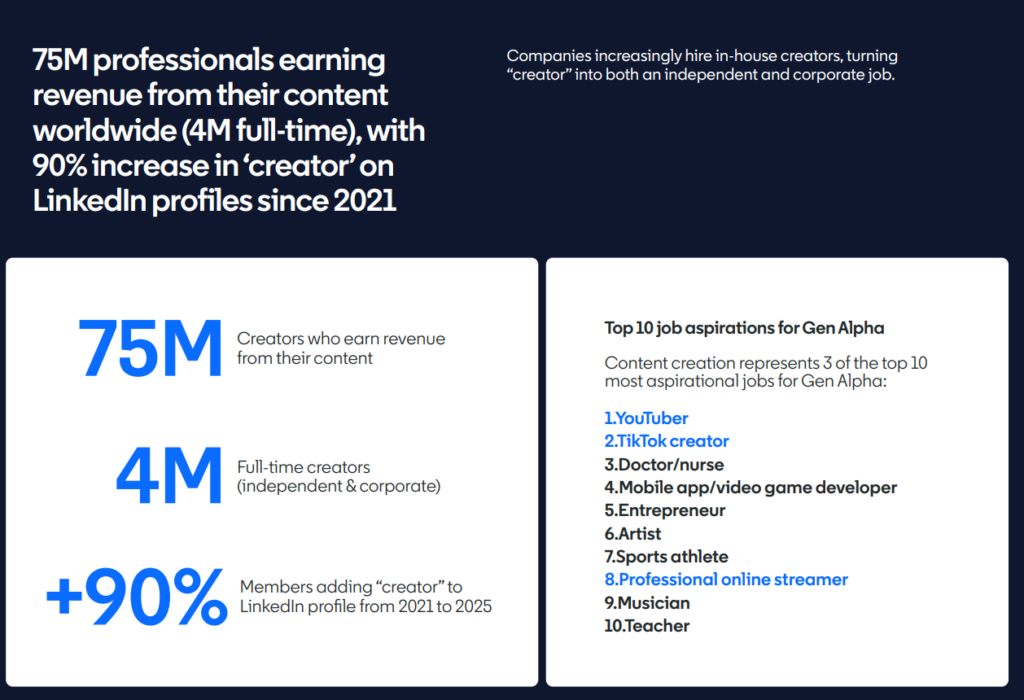
This trend matters because employers are no longer competing only with other companies for talent, but with the autonomy, flexibility, and skill-building potential of self-employment. As technology lowers barriers to working independently, organizations are being forced to rethink their employee value proposition (EVP).
The report raises critical questions for employers: Do roles offer enough autonomy? Are employees building portable skills and personal brand equity? And can organizations clearly articulate why staying is more compelling than going solo? These are challenges companies will need to address to attract and retain early-career talent in a changing labor market.
You can explore the full report here.
Verified AI Skills and New Tools to Streamline Job Search
LinkedIn is rolling out new features designed to help professionals prove real AI proficiency and navigate the job search more effectively. As AI becomes the most in-demand skill across roles, LinkedIn is shifting toward a skills-first approach, focusing on what professionals can actually do rather than formal credentials.
Members can now showcase verified proficiency with AI tools such as Descript, Lovable, Relay.app, and Replit, directly on their LinkedIn profiles. These skills are validated by the tool providers themselves, based on real usage, outcomes, or demonstrated capability, rather than tests or self-reporting. More partners, including GitHub, Zapier, and Gamma, are expected to join in the coming months.
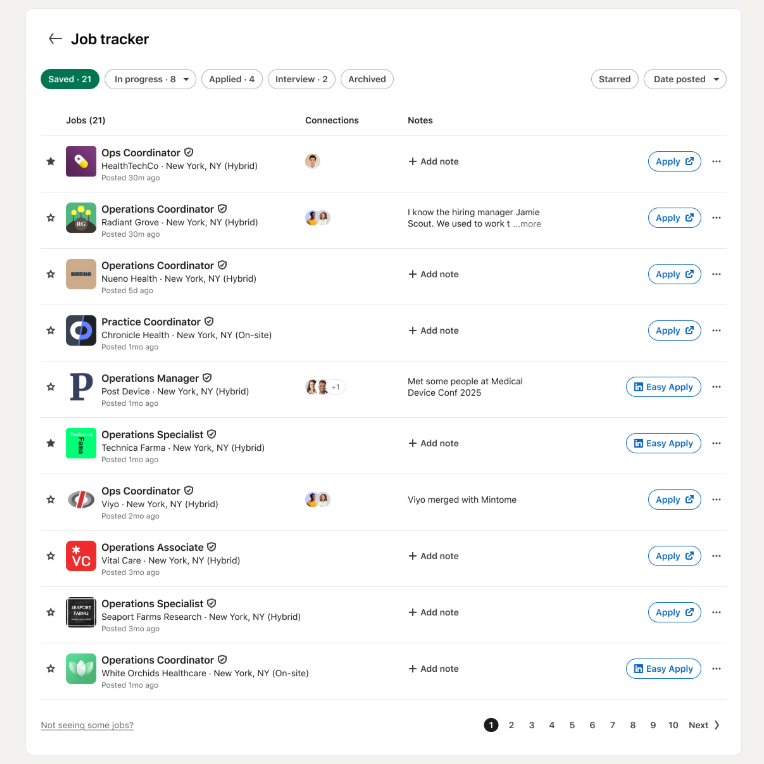
LinkedIn is also launching a new job tracker, a centralized workspace that brings job applications, notes, and network connections into one place. The tool helps job seekers identify who in their network can support each opportunity, reducing friction and making the search more strategic.
Finally, LinkedIn’s AI-powered job search is expanding to additional languages, allowing members to search for roles using conversational prompts instead of rigid keywords. With over 25 million AI-powered searches per week, the feature is helping job seekers discover roles they might not have considered otherwise.
Together, these updates reinforce LinkedIn’s focus on confidence, credibility, and network-powered opportunity in a rapidly evolving job market.
LinkedIn Revenue Grows 11% in Microsoft’s FY26 Q2
In Microsoft’s FY26 Q2 earnings update, LinkedIn reported 11% year-over-year revenue growth, reflecting continued momentum across hiring, marketing, and professional services. The growth comes as Microsoft highlighted strong demand for AI-driven products across its portfolio.
LinkedIn’s performance sits within Microsoft’s Productivity and Business Processes segment, which grew 16% year over year, alongside Microsoft 365 and Dynamics. While the earnings call focused heavily on AI and cloud infrastructure, LinkedIn’s steady growth underscores the platform’s role as a core business engine within Microsoft’s ecosystem.
The results reinforce a broader trend: as AI reshapes how people work, LinkedIn continues to benefit from increased activity around skills, hiring, and professional visibility.directly to the platform.
The Linked Blog is here to help you or your brand have the best possible LinkedIn presence, so feel free to contact us if you need help! See more about what we can do for you here.