Trust is becoming a much more visible part of LinkedIn’s product strategy. The platform is expanding verification across profiles and companies while also changing how it wants AI to support content creation.
This week’s updates show LinkedIn working on both sides of that problem: giving people and businesses more ways to prove who they are, while making AI tools feel less like substitutes for human input.
LinkedIn Expands Verification On and Off the Platform
LinkedIn says more than 115 million members are now verified, with around 75 people completing verification every minute. Now, the platform is expanding what that verification can cover and where it can be used.
LinkedIn is testing a new system that allows verified members to confirm the work and educational experience of people they have actually worked or studied with. Once someone receives enough confirmations, LinkedIn can add a verification badge to that experience, with members retaining the option to opt out. In the coming months, users will also be able to proactively ask their connections to verify past roles or education.
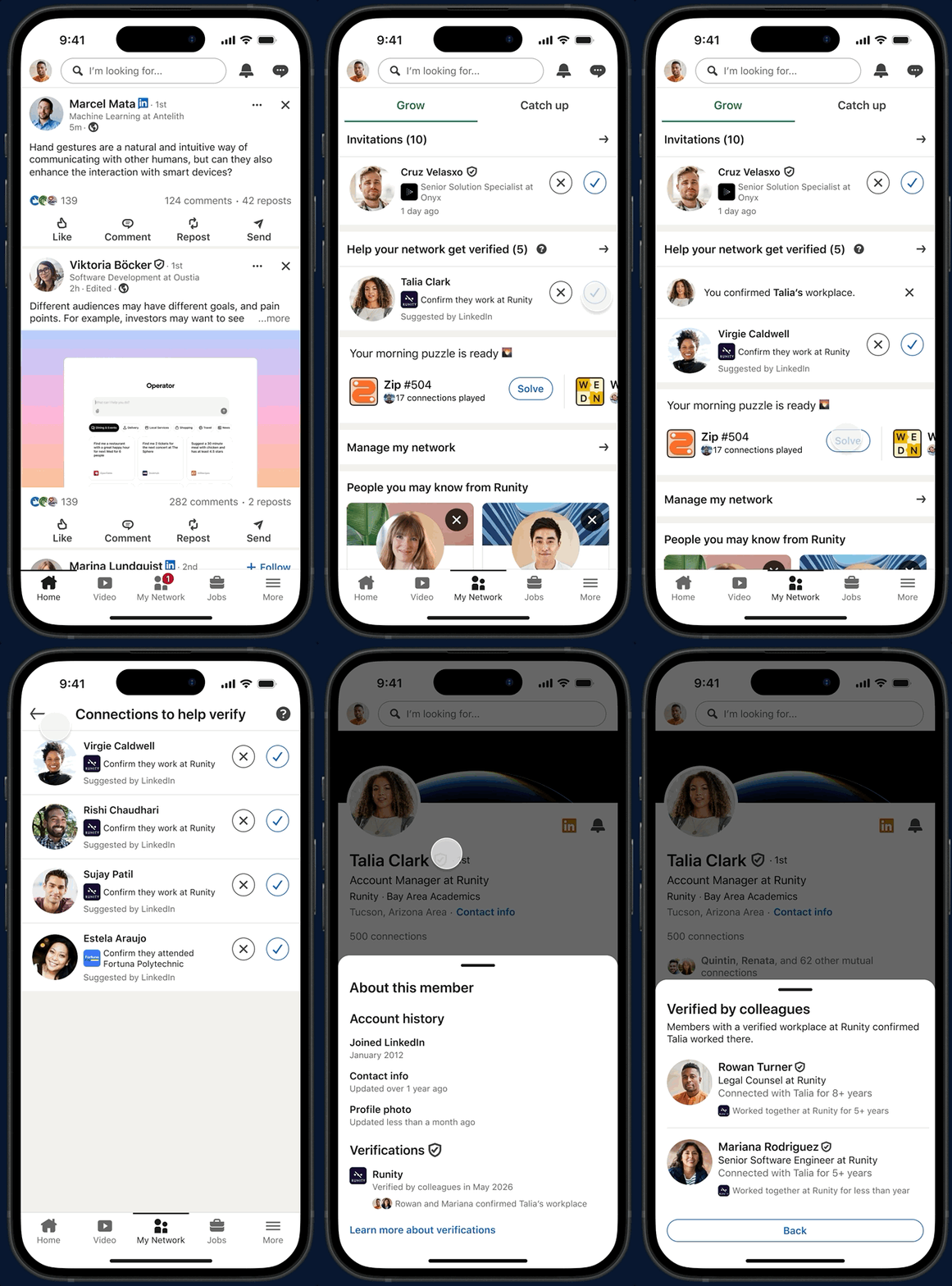
The change introduces a different kind of trust signal. Instead of relying only on identity documents or workplace credentials, LinkedIn is beginning to use the professional network itself to validate someone’s history.
Verification is also becoming more portable. Through Verified on LinkedIn, members can carry their verified identity to partner platforms without going through a completely separate process. Truecaller and PeerSpot are now joining partners including Adobe, TrustRadius and UserTesting. On Truecaller, for example, users will be able to see whether someone contacting them has been verified on LinkedIn.
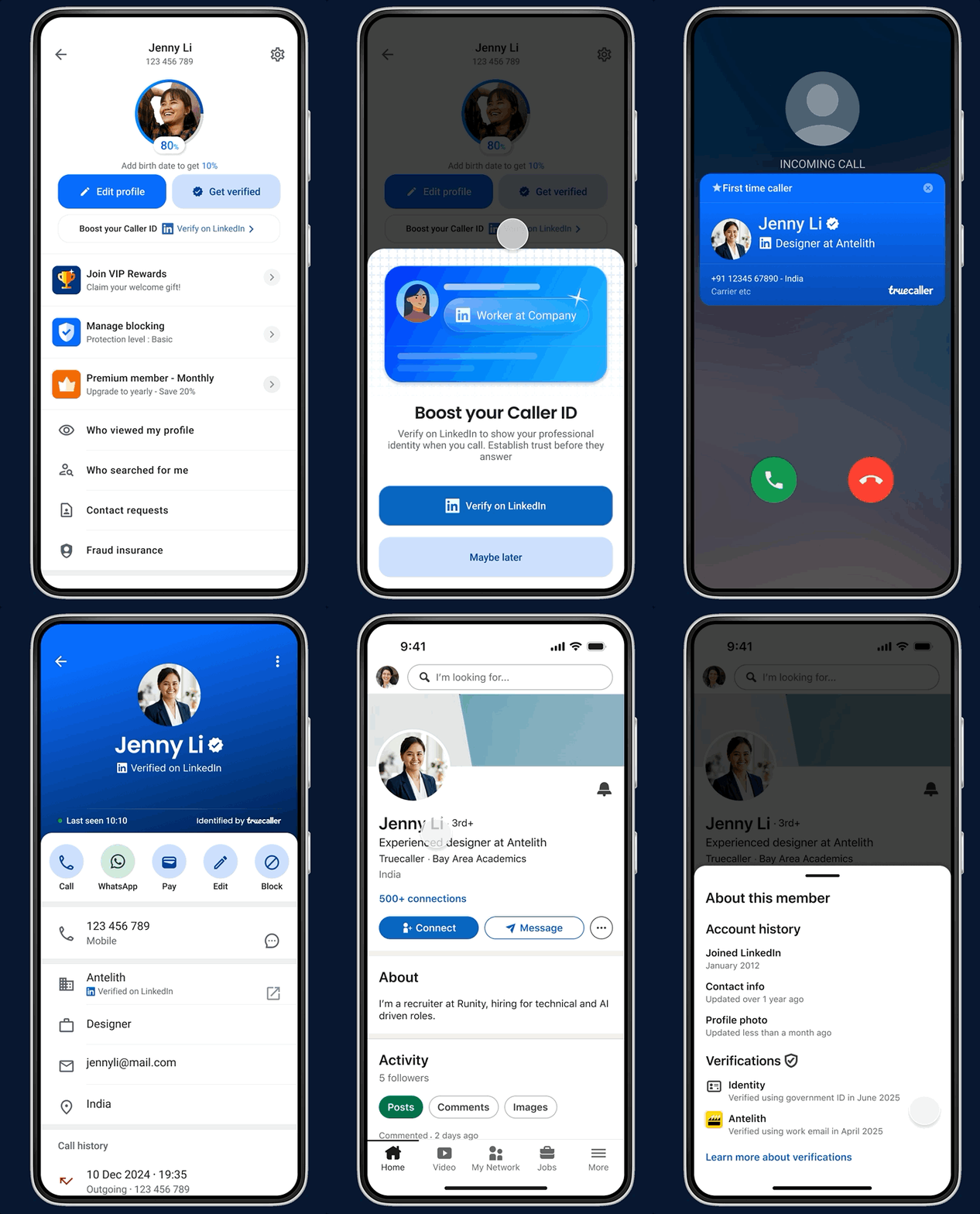
LinkedIn says verified members receive 50% more post engagement and nearly 90% more profile views. Taken together, the changes suggest verification is evolving from a small profile badge into something closer to a broader professional credibility layer.
LinkedIn Gives Companies More Control Over Who Claims to Work for Them
LinkedIn is also strengthening verification on the company side, particularly around one persistent problem: profiles falsely claiming an association with a business.
Admins of verified LinkedIn Pages can now remove known imposter accounts so those profiles no longer appear in search results under their company name. That gives organizations more direct control over one of the signals people often use when assessing a company on LinkedIn: who supposedly works there.
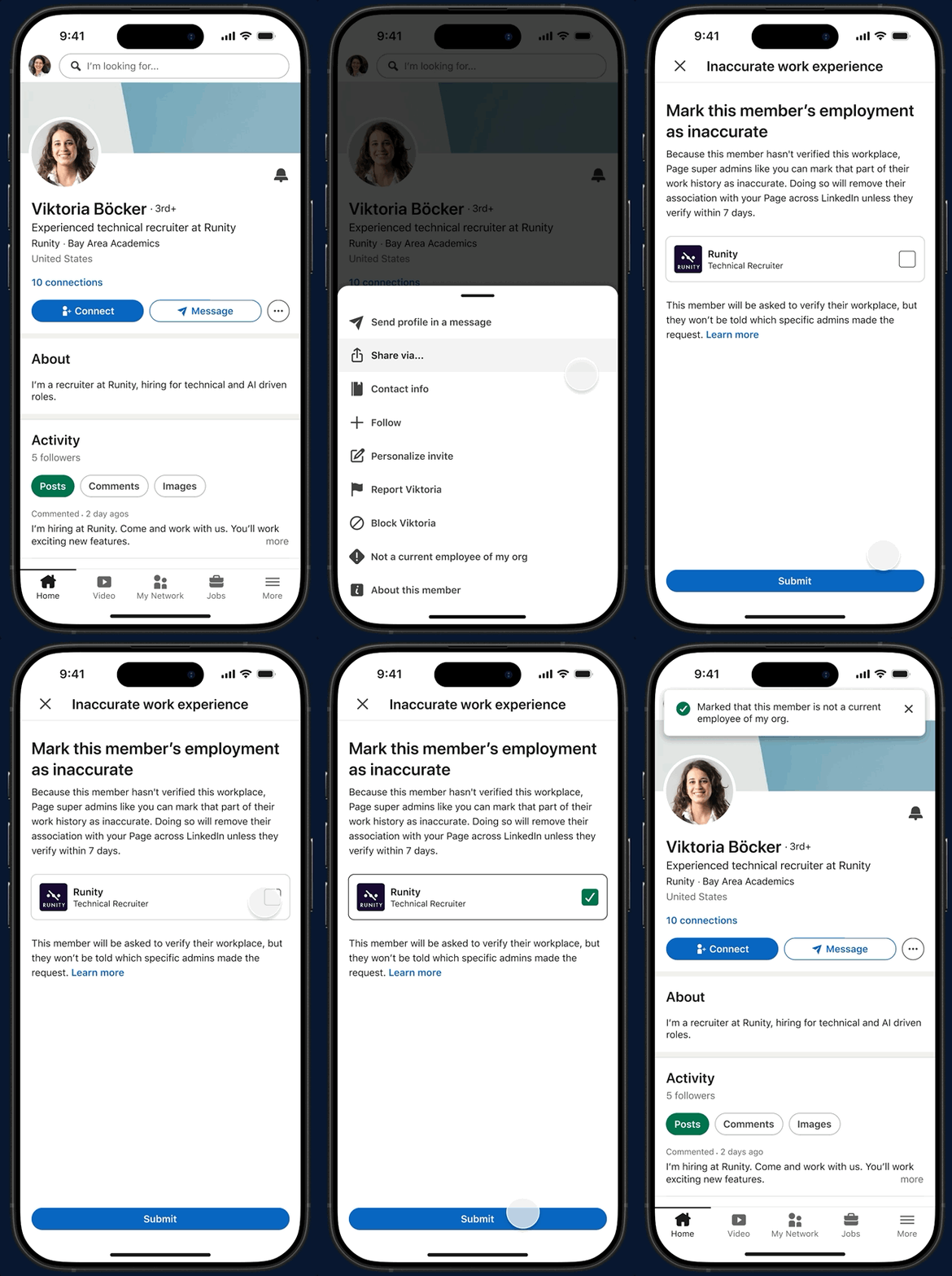
The platform is going a step further with a new pilot involving selected companies. These businesses can require workplace verification before someone claiming current employment is allowed to associate their profile with the company Page.
That matters because employee associations are not just an internal LinkedIn detail. They shape how potential customers, candidates and partners perceive an organization, while false affiliations can also make impersonation and fraud appear more credible.
LinkedIn’s approach effectively shifts part of company verification from reacting to fake accounts after the fact toward preventing unverified employee claims from appearing in the first place. If expanded more widely, that could give Page admins significantly more control over the identity ecosystem surrounding their brand.
LinkedIn Replaces AI Post Enhancement With a Proofreading Tool
LinkedIn is changing how it uses AI to help people write posts.
The platform has introduced Post Proofreader for eligible Premium members, replacing its previous AI-powered post enhancement feature, which was removed last month.
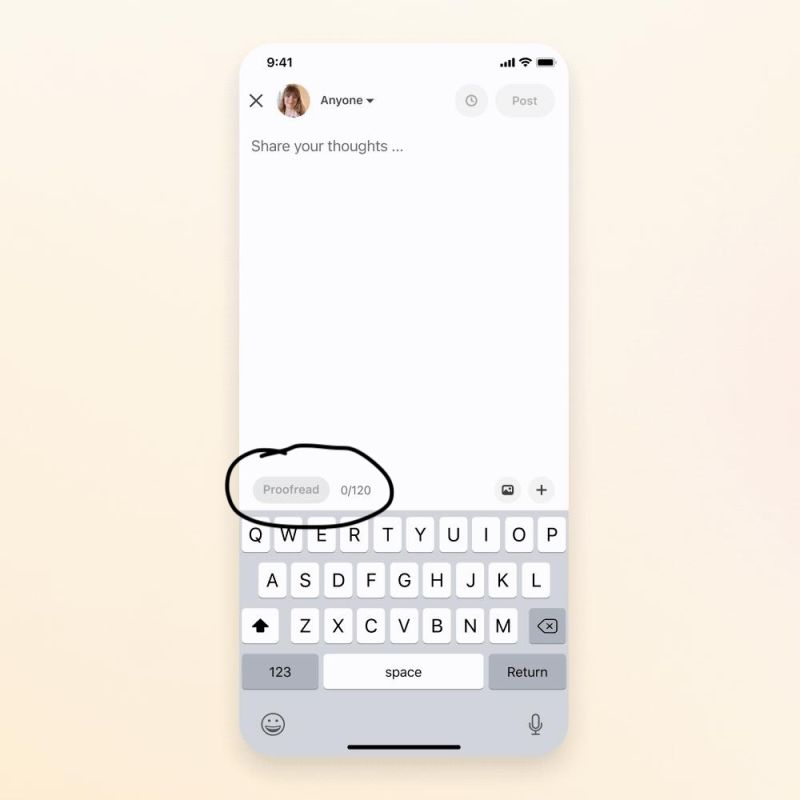
The difference is mostly about control. Instead of rewriting or recreating a post, Post Proofreader suggests edits to an existing draft and displays them with inline change tracking, allowing the author to decide exactly what gets changed.
The timing is significant. LinkedIn recently introduced its “Seems like AI slop” reporting option, which was used more than one million times within weeks of launch, and has since expanded AI-slop reporting to comments.
Post Proofreader appears to reflect the same philosophy. LinkedIn is not moving away from AI-assisted writing, but it is drawing a clearer line between helping people express an idea and generating the idea for them.
That may turn out to be an important distinction as the platform tries to benefit from AI without allowing its feed to become increasingly generic and automated.
The Linked Blog is here to help you or your brand have the best possible LinkedIn presence, so feel free to contact us if you need help! See more about what we can do for you here.