LinkedIn is expanding what people can actually do on the platform. Creating content can now lead directly to revenue, hiring can begin inside external AI assistants, and even something as basic as exchanging contact details is getting a LinkedIn-native upgrade.
This edition also looks at the companies rising fastest on LinkedIn in 2026, where AI, younger founders, and creator-led growth are reshaping what the startup ecosystem looks like.
LinkedIn Is Building a Creator Monetization Layer
More than 80% of LinkedIn creators produce content alongside another professional role. LinkedIn now wants to make it easier for that expertise to become an additional source of income.
A new Creator Dashboard will roll out globally in the coming weeks, bringing content performance, audience growth, and monetization opportunities into one place.
Two new earning options are at the center of the update. In-Stream Ads will allow selected U.S. creators to earn revenue when pre-roll advertising appears alongside eligible video content. LinkedIn is also launching Advice Sessions, which let Business Premium subscribers in the U.S. offer paid 1:1 consultations directly through their profiles, including booking, payment, and video calls.
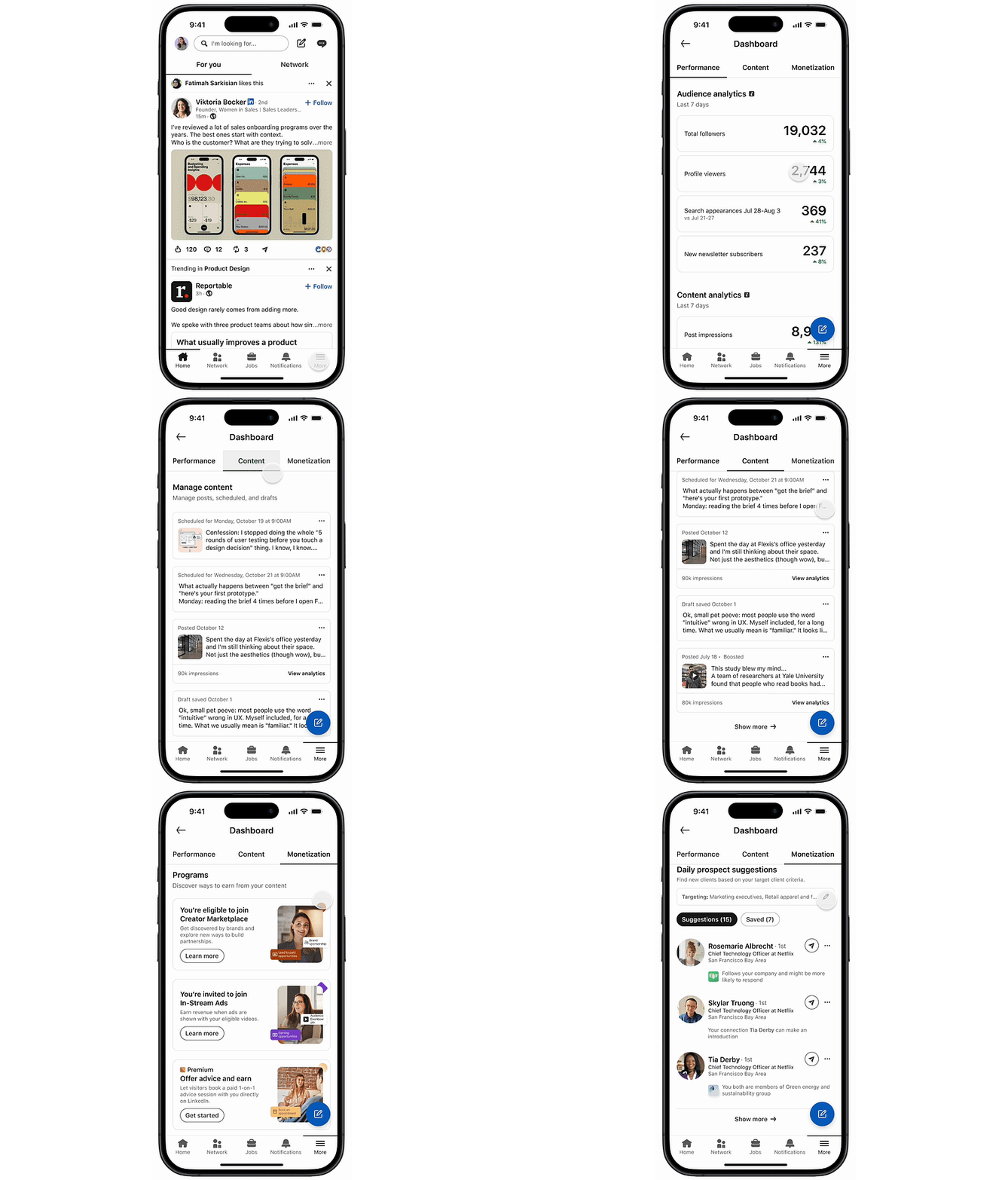
Both are still limited in availability, but the direction is significant. LinkedIn has traditionally helped professionals turn visibility into indirect opportunities such as jobs, leads, or speaking invitations. Now it is beginning to build the infrastructure for creators to monetize expertise directly on the platform.
That moves LinkedIn closer to becoming not only a place where professional reputations are built, but where knowledge itself can become a product.
LinkedIn Hiring Is Coming to Claude and Copilot
Small businesses will no longer necessarily need to start on LinkedIn when they want to hire someone.
LinkedIn is integrating Hiring Pro with Claude and, soon, Microsoft Copilot. A hirer can describe the position they need in natural language, have the AI assistant draft the job description, edit and approve it, and then publish the vacancy to LinkedIn for free.
From there, Hiring Pro can help surface candidates, create shortlists, and identify relevant talent.
The Claude integration is already live through Anthropic’s connector ecosystem, while Copilot support is coming soon. The partnership currently applies specifically to Hiring Pro, not Recruiter, Hiring Assistant, Job Slots, or LinkedIn’s other enterprise hiring products.
The interesting part is where the workflow begins. LinkedIn is effectively allowing external AI assistants to become entry points into its hiring marketplace.
Instead of asking users to open LinkedIn and navigate a recruitment product, LinkedIn can meet small businesses inside the AI tools where they are already working. That could become an increasingly important model for the platform as professional workflows spread beyond individual apps.
LinkedIn’s Top Startups Show How AI Is Reshaping Company Building
LinkedIn has published its 2026 Top Startups list, ranking 50 emerging U.S. companies based on signals including employee growth, jobseeker interest, and their ability to attract talent from established LinkedIn Top Companies.
AI dominates much of the list. Anthropic ranks first, followed by Mercor and Perplexity, while companies including Harvey, OpenEvidence, ElevenLabs, Sierra, and Decagon also appear near the top.
But LinkedIn’s data points to a broader shift in entrepreneurship. Four in 10 professionals globally say AI has made them more likely to start a business, while companies are increasingly using the technology to operate with smaller teams and enter sectors ranging from healthcare and law to logistics and banking.
The list also highlights younger founders, creator-led businesses, and growing investment in defense and space technology. Companies such as Feastables show how creator audiences can become the foundation for businesses, while AI startups are increasingly applying the technology to industries far beyond software.
The track record of previous winners is notable too. Among 315 Top Startups alumni, LinkedIn says 52% later became unicorns, 27% were acquired or went public, and just 5% shut down.
Ten years into the ranking, the list increasingly reflects a startup environment where AI lowers the barrier to building a company while raising the competition for attention and talent.
LinkedIn Adds Digital Business Cards, Profile Notes, and Pinned Comments
LinkedIn is also introducing a collection of smaller features designed to make professional relationships easier to manage.
Members will soon be able to create a personalized digital LinkedIn business card, add it to their digital wallet, and use it when meeting people offline. The feature will roll out globally over the coming months.
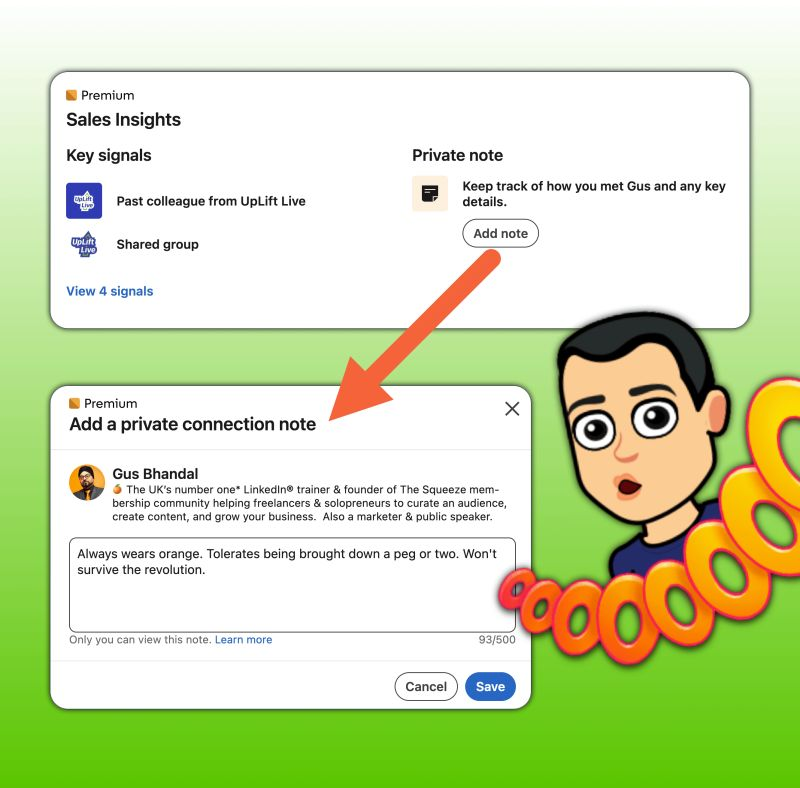
Premium subscribers can now also add private notes to profiles, helping them remember where they met someone, what they discussed, or when they should reconnect. The feature is available globally.
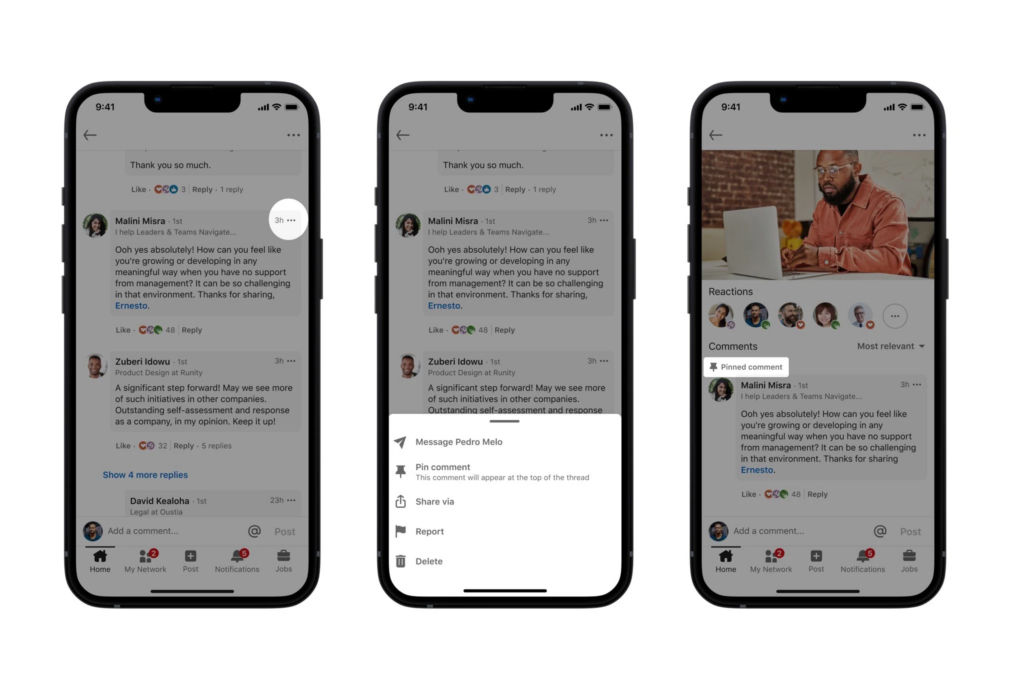
And on the content side, authors can now pin comments beneath their posts, allowing them to highlight particularly useful contributions and influence which part of the conversation gets the most visibility.
None of these features radically changes LinkedIn by itself, but together they reinforce something the platform has been emphasizing repeatedly: professional networking is not just about collecting connections.
LinkedIn increasingly wants to help users manage the context around those relationships, from the first meeting to the follow-up and the conversations that happen publicly in between.
LinkedIn Is Testing a Premium “Super Like” Reaction
LinkedIn may also be preparing a new reaction specifically for Premium members: “Recommend” or “Super Like.”
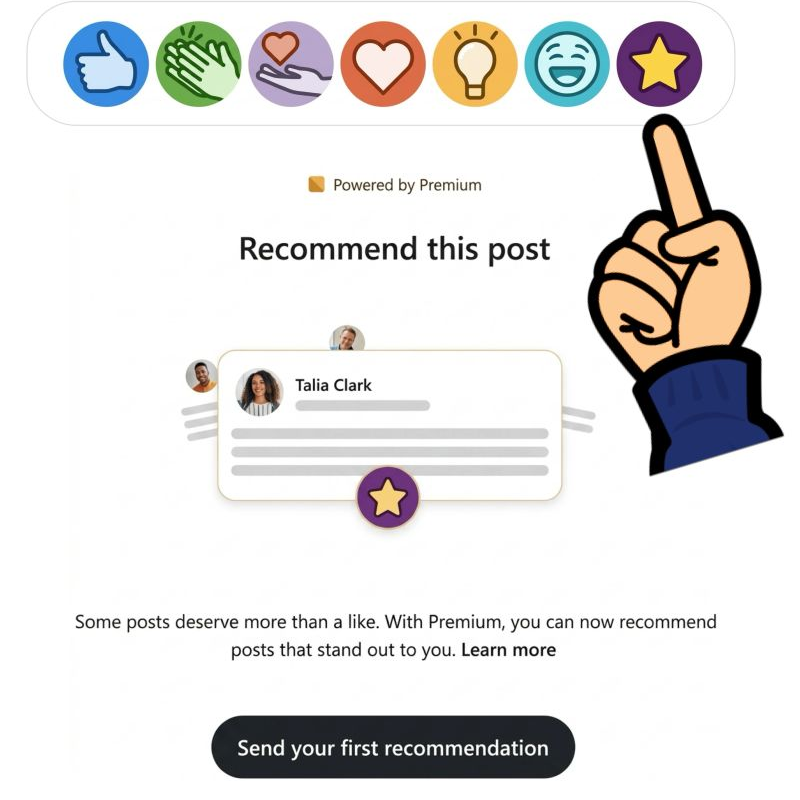
The feature has been spotted by a small number of users, while references to the reaction have also appeared in LinkedIn’s underlying code. There is currently no official LinkedIn Help page or broader announcement, so for now this should be treated as an early test rather than a confirmed global rollout.
Several important details remain unclear. We do not yet know which Premium plans will receive it, whether users will have a limited number of Super Likes, or whether the reaction will carry more weight in LinkedIn’s ranking systems than a standard Like, Celebrate, or Insightful reaction.
That last point could make the feature especially interesting. If LinkedIn gives a paid reaction greater distribution value, it would introduce a new relationship between Premium membership and content visibility. If it is simply an expressive reaction, its impact may be much smaller.
For now, substantive comments, saves, sends, and reposts still provide much clearer signals of genuine engagement. But if LinkedIn does formally launch Super Likes, creators will inevitably want to know one thing: does a recommendation from a Premium member actually help a post travel further?
The Linked Blog is here to help you or your brand have the best possible LinkedIn presence, so feel free to contact us if you need help! See more about what we can do for you here.