This week, LinkedIn continues to evolve at the intersection of content strategy, legal enforcement, product experimentation, and performance metrics. We dive into LinkedIn’s new emphasis on video for B2B trust-building, a key legal win against data scraping, the gamification of networking through competitive leaderboards, and rising engagement levels though not without concerns over authenticity. Let’s explore what’s new.
Video Emerges as the Top Trust-Building Tool in B2B Marketing
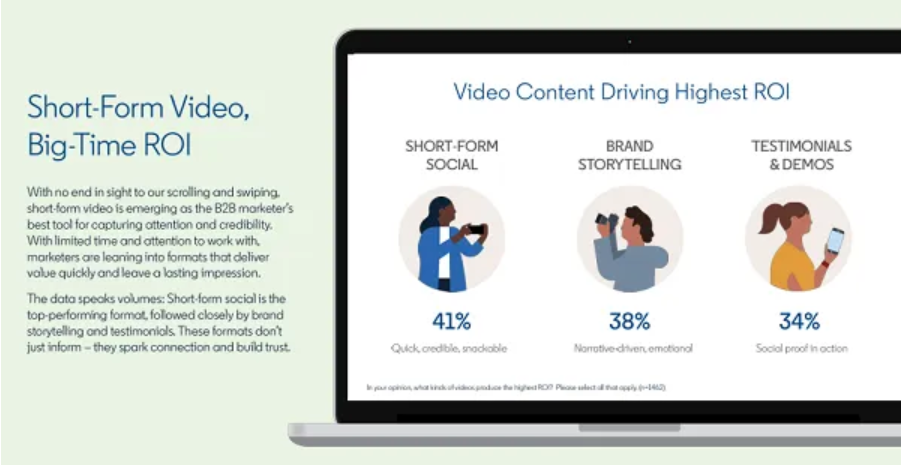
LinkedIn’s latest B2B Marketing Benchmark Report highlights a clear message from over 1,500 marketing leaders: trust drives success, and video content is leading the charge. An overwhelming 94% of B2B marketers agree that establishing trust with buyers is essential and video, especially short-form formats, has emerged as the most effective medium.
Source: SocialMediaToday
The platform reports a 36% year-over-year increase in video consumption, with short-form video creation growing twice as fast as any other format. Video posts are now shared 20 times more than other content types, confirming the format’s viral potential.
Source: SocialMediaToday
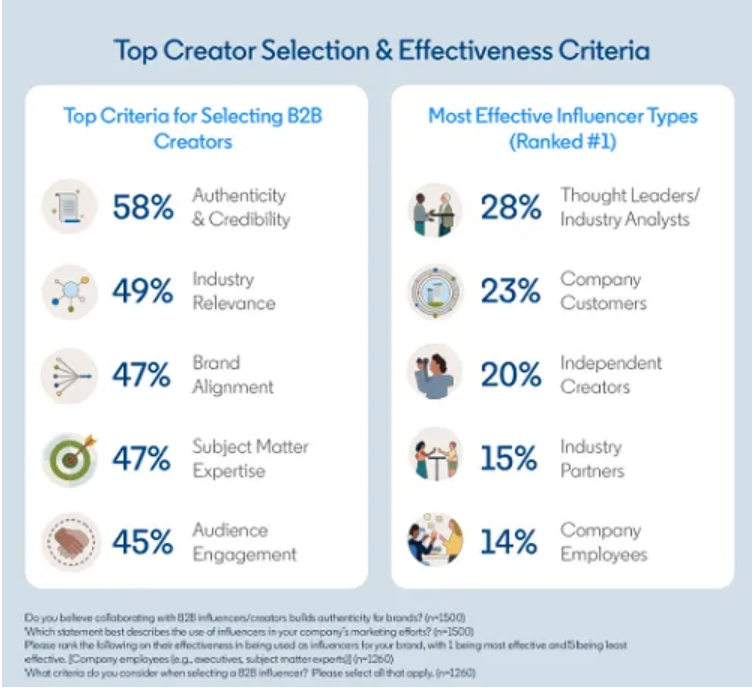
The report also underscores the value of brand storytelling, customer testimonials, and creator partnerships in enhancing brand credibility. LinkedIn’s takeaway? If you want to succeed in B2B marketing today, integrating smart, intentional video into your content mix is no longer optional – it’s expected.
LinkedIn Wins Another Legal Battle Against Data Scraping
LinkedIn has successfully resolved its lawsuit against Proxycurl, a data platform that offered scraping tools for HR professionals including LinkedIn profile data and emails. As part of the legal resolution, Proxycurl is now permanently barred from accessing LinkedIn unlawfully and must delete all scraped data.
This case reinforces LinkedIn’s commitment to protecting user data and platform integrity. While Proxycurl shut down earlier this month, the broader implications remain: just because information is public doesn’t mean it’s free for automated harvesting. LinkedIn continues to push back against similar practices, especially those that breach logged-in member data protections.
It’s a clear message to third-party platforms: LinkedIn’s data isn’t up for grabs.
LinkedIn Gamifies the Experience with Connection-Based Leaderboards
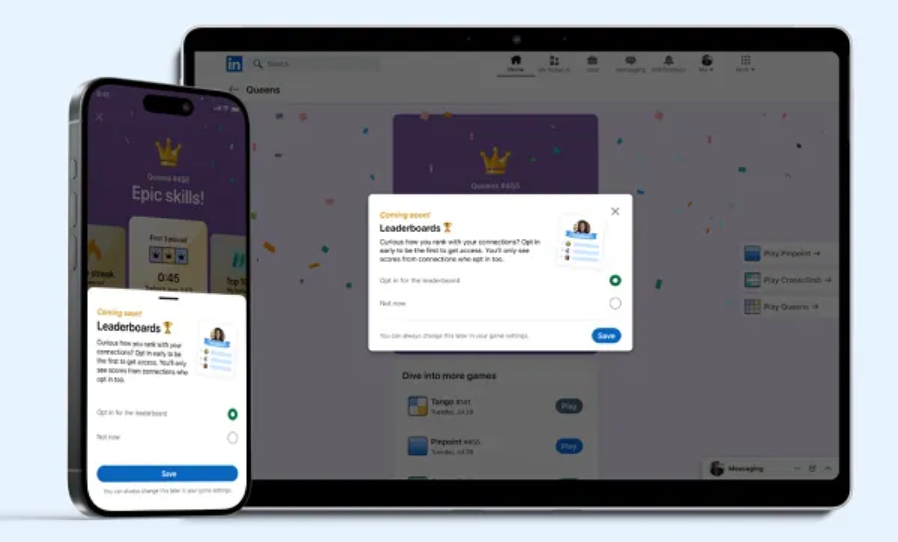
LinkedIn is introducing a new social layer to its in-app games leaderboards ranked by your LinkedIn connections. The update, arriving next month, will display daily rankings among opted-in connections, giving users a personalized view of their performance.
Source: SocialMediaToday
Since launching its gaming feature in May last year, LinkedIn reports that “millions” of members play daily, with 84% returning for another round. This new feature builds on earlier leaderboards based on company or school affiliation but adds a more familiar, network-centric twist.
While some may still question gaming’s place in a professional network, LinkedIn sees this as a way to increase engagement, build relationships, and spark conversation especially among colleagues and industry peers.
LinkedIn Reports “Record Engagement” Again But What’s Behind the Numbers?
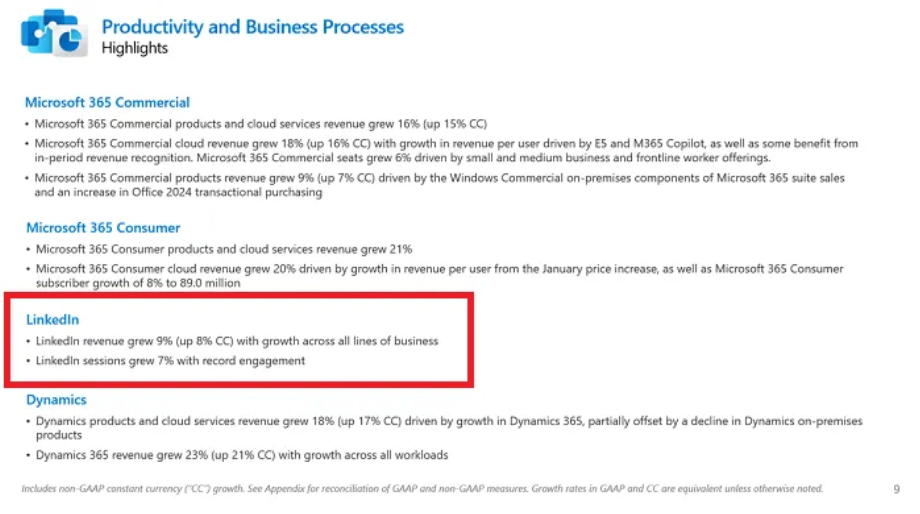
In Microsoft’s latest quarterly earnings call, LinkedIn once again reported “record levels” of engagement a phrase that’s appeared in almost every update since 2018.
Source: SocialMediaToday
The platform saw a 9% revenue increase and a 7% rise in sessions, with comments up 30% and video uploads growing over 20% this year. Video content now generates 1.4x more engagement than other post types and is 20x more likely to be shared reinforcing video’s growing dominance on the platform.
LinkedIn now boasts 1.2 billion members, up from 1 billion a year ago. But here’s the caveat: members ≠ active users, and actual MAU is estimated at closer to 400 million.
Alongside rising interaction comes growing concern around artificial engagement particularly from engagement pods and automated interactions. These are coordinated efforts among users (or bots) to game the algorithm with likes, comments, and shares.
LinkedIn says it’s aware of the issue and actively working on improving detection, educating creators, and reducing reach for manipulated content. Legal action may also be on the table for egregious violations of its Terms of Service.
In parallel, Microsoft is accelerating its integration of AI across LinkedIn, including intelligent agents for hiring and sales, and AI-assisted post and profile creation. While these tools can boost productivity, they may also complicate the line between authentic and artificial engagement.
The Linked Blog is here to help you or your brand have the best possible LinkedIn presence, so feel free to contact us if you need help! See more about what we can do for you here.