Recent updates provide professionals with new ways to create more relevant content, optimize ad performance, and measure impact more effectively – now including insights on 360Brew, LinkedIn’s AI model shaping feed visibility and personalization. Highlights in this edition cover personalized in-feed ad copy, changes to competitor analytics for company pages, optimal posting times, frameworks for B2B marketing measurement, gaming leaderboards for connections, and how 360Brew is quietly influencing what users see. Together, these developments offer actionable strategies to boost engagement, target audiences more precisely, and build meaningful professional relationships.
Personalized Ad Copy Comes to LinkedIn Sponsored Content
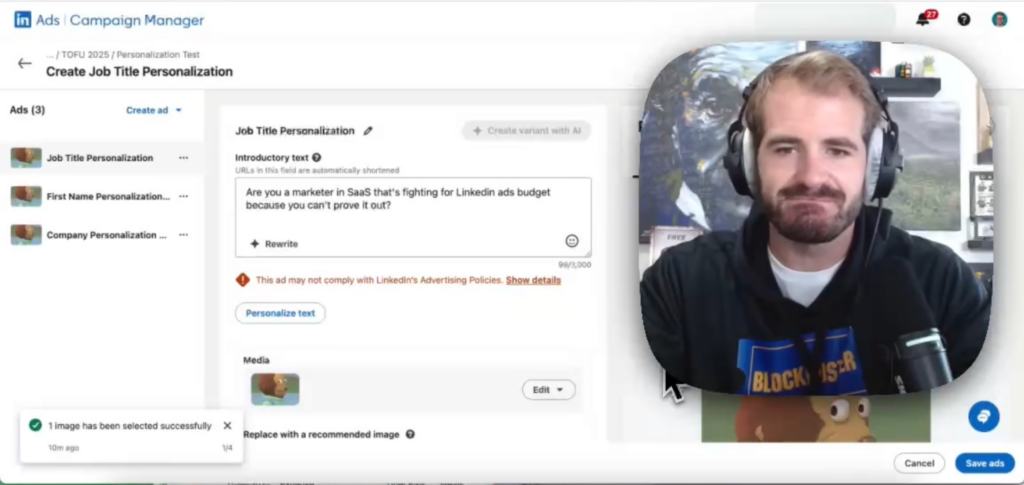
LinkedIn Ads just introduced one of the most exciting updates since Thought Leader Ads: personalized ad copy for Sponsored Content in the feed. Marketers can now automatically tailor the description text of their ads based on each viewer’s profile details such as first name, company name, job title or industry. This level of dynamic personalization is currently unique to LinkedIn, with no other ad platform offering a similar feature.
While some advertisers are curious whether this kind of personalization will feel “too personal” in the social feed, others see it as a game-changing opportunity to make ads stand out authentically and contextually. The feature is being rolled out gradually, so if the option isn’t visible yet, it should appear over the next few days.
Source: Tim Davidson
LinkedIn Limits Competitor Analytics for Free Company Pages
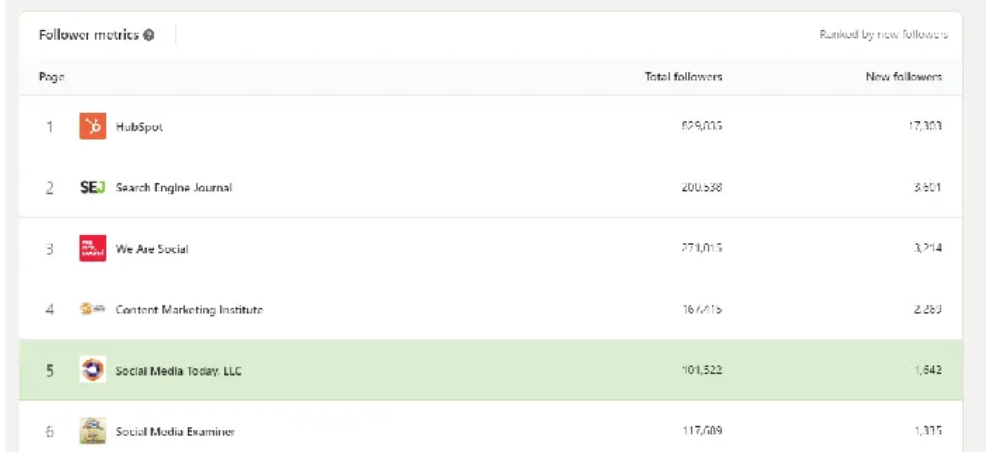
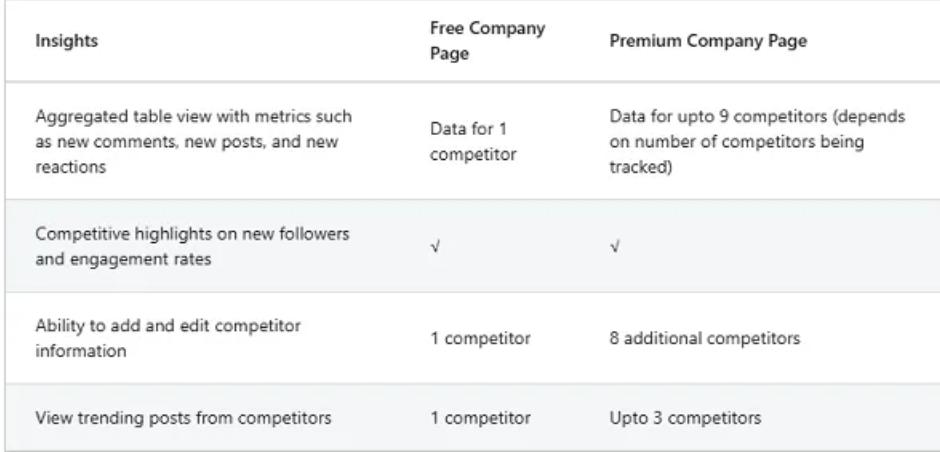
The Competitor Analytics feature for Company Pages has been updated. Previously available for free, starting October 15, 2025, non-paying pages can only compare their performance against a single competitor.
Source: SocialMediaToday
Source: SocialMediaToday
Premium Company Pages, which start at $99 per month, continue to have full access, allowing them to track up to nine competitors, view trending posts from three competitors, and access detailed analytics tables and engagement highlights. This change reflects LinkedIn’s strategy to encourage subscription adoption while still providing essential insights to free users. Admins who relied on free competitor analytics should be aware of the limitation and consider upgrading if they want broader benchmarking capabilities.
Best Times to Post on LinkedIn in 2025
A recent analysis by Sprout Social, based on billions of engagements across hundreds of thousands of profiles, shows that timing remains crucial on LinkedIn. Weekdays generally see the highest engagement, with Tuesday through Thursday being the most effective, while weekends are the least active.
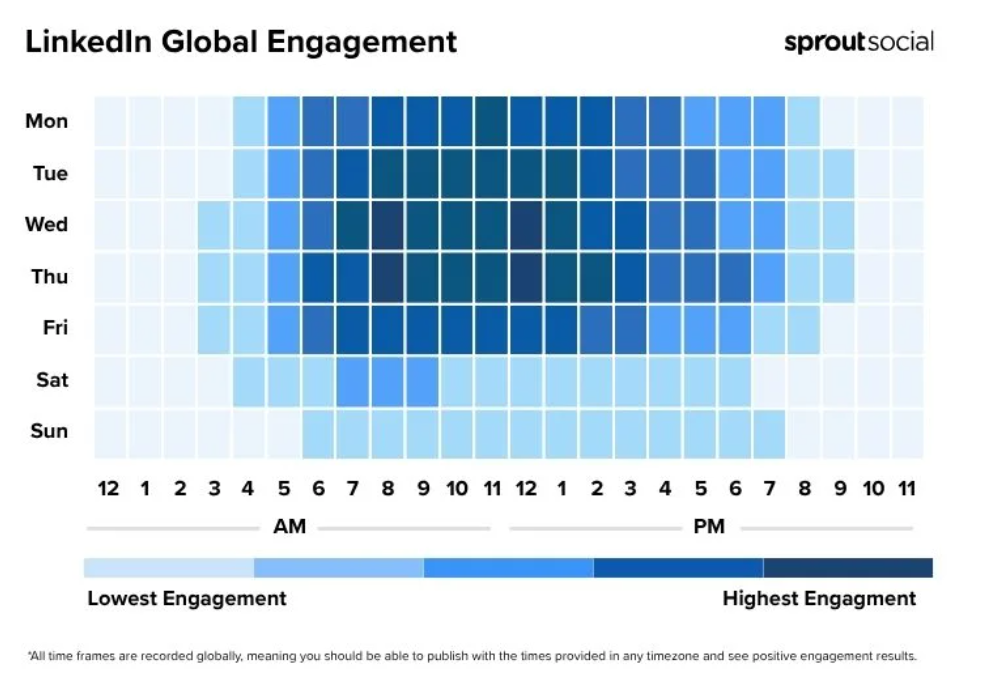
Source: Sproutsocial
Industry-specific trends vary: educational institutions perform best midweek, financial services see strong activity midweek, and the food and beverage sector peaks on weekdays. Government, healthcare, nonprofit, and travel sectors also follow weekday-centric patterns, reflecting LinkedIn’s professional focus.
Brands can further optimize posting schedules by leveraging analytics tools, which analyze past performance and audience behavior to determine personalized optimal times. By aligning content with these insights, businesses can increase visibility, engagement and professional networking impact.
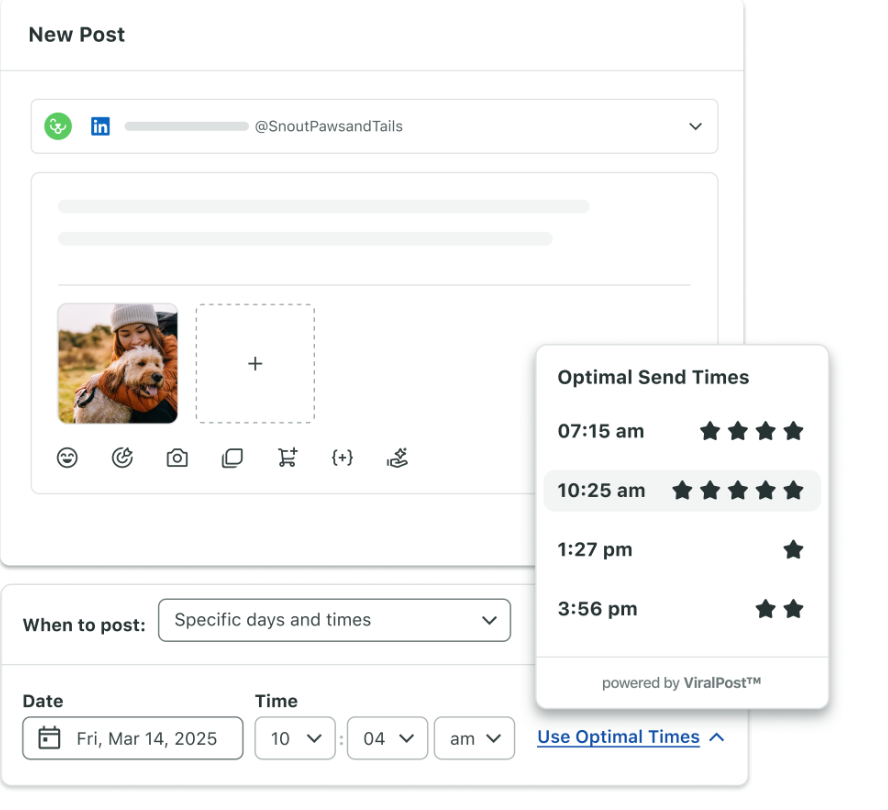
Source: Sproutsocial
New Rules for B2B Marketing Measurement
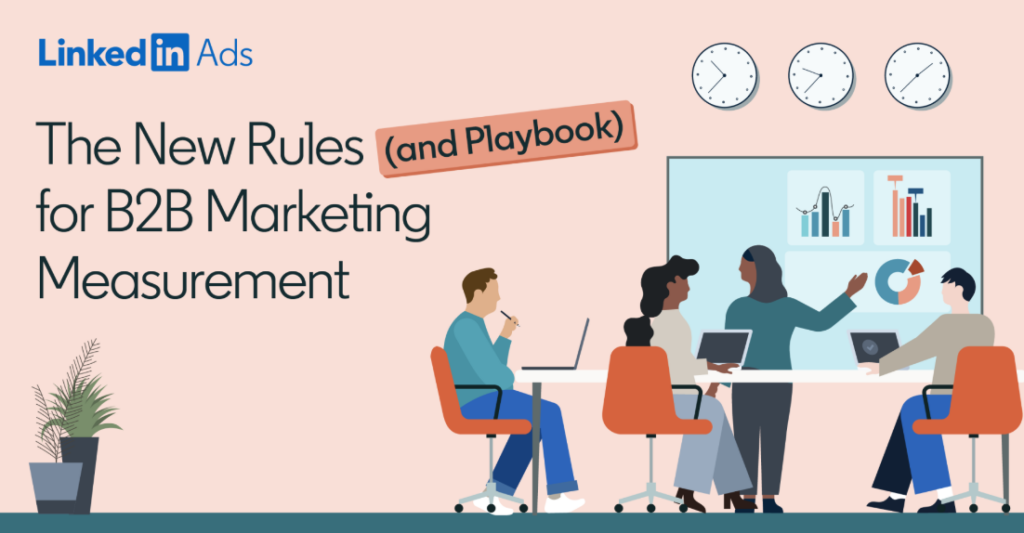
With the advent of new technologies and shifting user behaviors, the focus for digital marketers is evolving, requiring a realignment of KPIs and a new approach to measurement. This is especially true for B2B marketers, who are navigating a significant shift in strategy, evaluation, and measurement methods.
Source: SocialMediaToday
A recent guide provides a framework for B2B marketers to leverage the latest measurement tools and audience insights. By incorporating a broader range of signals, marketers can more accurately assess the impact of their campaigns, optimize performance, and refine their strategies in line with changing user expectations.
The framework highlights how marketers can use new tools and data to understand the broader effects of their marketing efforts, offering practical guidance for aligning measurement with strategic goals.
Gaming Leaderboards for Connections Now Live
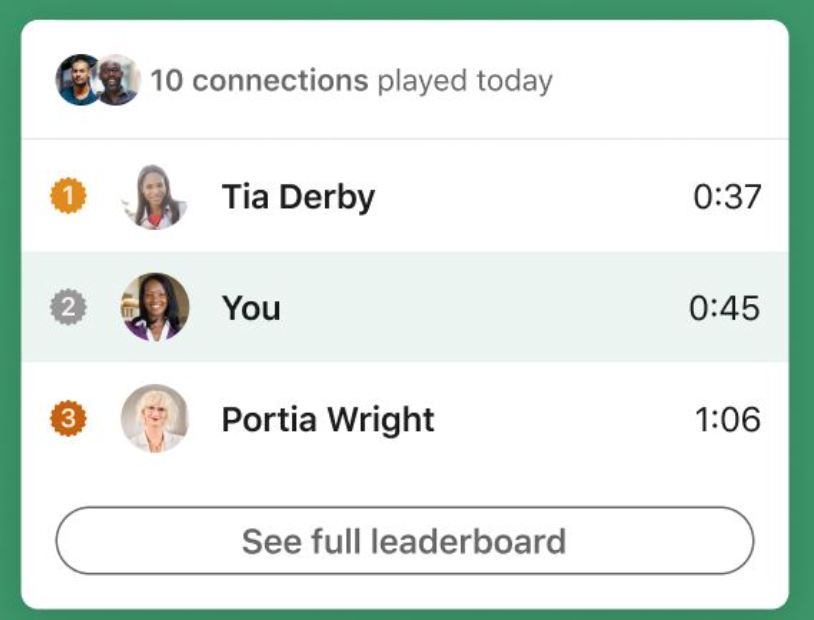
After being announced in July, a new connection leaderboard feature for in-app games is now available. This feature shows how users are performing in daily puzzle games compared to their peers, colleagues and friends.
Source: SocialMediaToday
Unlike earlier versions, this leaderboard focuses on your own connections, making it more relevant. Users can opt out, and upcoming features include daily recaps and expanded performance tracking.Although unusual for a professional network, millions play daily, with 84% returning, boosting engagement and retention.
360Brew and LinkedIn Content Visibility
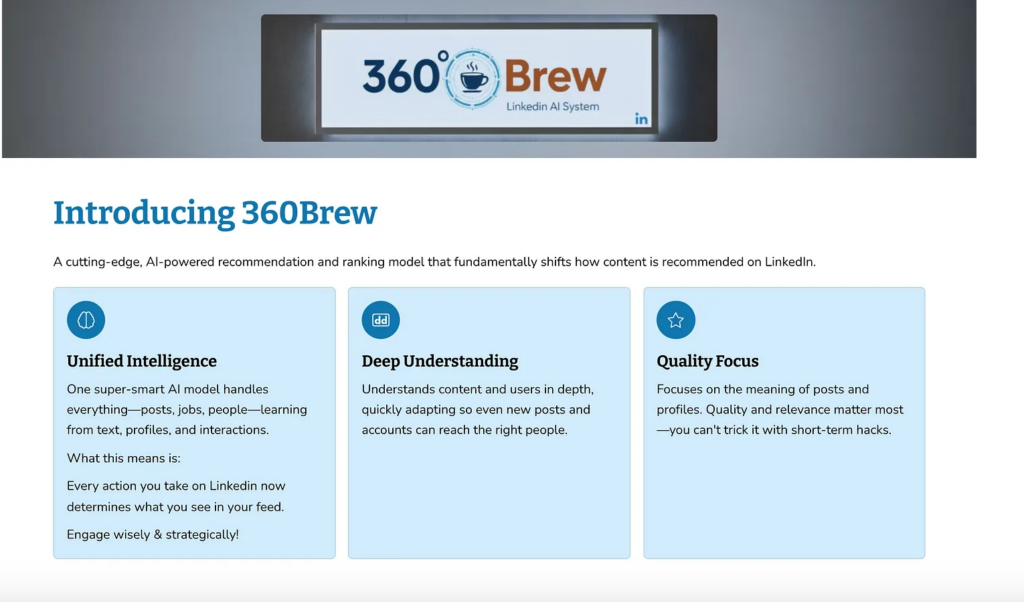
LinkedIn has developed a new AI model, 360Brew, designed to improve personalization and recommendations across the platform. While LinkedIn hasn’t officially confirmed a full rollout or exact timeline, early observations suggest it may be gradually affecting feed and content visibility. For creators, brands, and marketers, the key takeaway is to focus on expertise, clear messaging, and meaningful engagement rather than chasing algorithmic shortcuts. Consistent topics, high-quality insights, and authentic interactions will help content reach the right audience, regardless of when 360Brew is fully deployed.
Source: The FOLD
LinkedIn Introduces In-Feed Ad Personalization
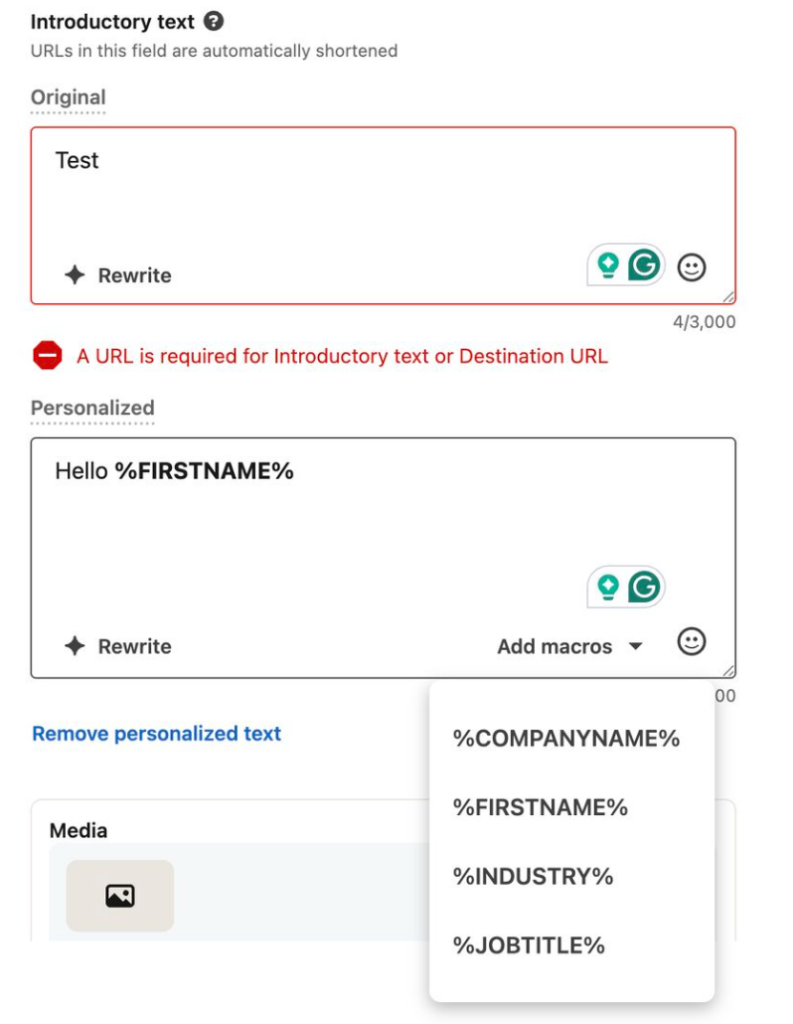
LinkedIn now allows ad personalization directly in in-feed ads, using four macros: first name, job title, company name, or company industry. This was previously limited to Message or Spotlight Ads, so the change lets marketers tell a continuous, personalized story within the feed itself. For example, an ad might read, “%FIRSTNAME%, here’s how %COMPANYNAME% teams increased revenue by 30%”, with LinkedIn automatically filling in the user’s profile information.
Source: Kirill Vdov
Not all macros are equally effective. Using someone’s first name has become too common and adds little value, while industry tags are often too broad or inaccurate to make the message relevant. The most effective personalization comes from job title and company name, as these reflect the user’s professional identity and enable more targeted, ABM-style messaging. Personalization works best while it’s still fresh, but its impact may decline as it becomes widely adopted.
Ad Revenue Forecasts Signal Continued Growth
The platform’s advertising business continues to gain momentum, with WARC Media projecting ad revenue to reach $8.2 billion in 2025, grow by 18.5% to $9.7 billion in 2026, and hit $11.3 billion in 2027. This growth is fuelled by the rising use of video content, the expansion of the B2B creator ecosystem, and the integration of Connected TV campaigns.
In the U.S., ads perform exceptionally well thanks to high trust and engagement levels, while short-form video formats are experiencing 12% year-on-year growth. According to WARC, the platform’s ad business now outpaces mid-size competitors such as Snapchat and Pinterest, solidifying its position as a leading destination for B2B advertisers.
The Linked Blog is here to help you or your brand have the best possible LinkedIn presence, so feel free to contact us if you need help! See more about what we can do for you here.