From cybersecurity warnings to workforce shortages and algorithm debates, LinkedIn remains at the center of several important conversations. This edition breaks down MI5’s alert on foreign intelligence activity, LinkedIn’s latest data on sustainability hiring, and the platform’s official stance on gender bias concerns.
MI5 Warns of Large-Scale Chinese Espionage Efforts on LinkedIn
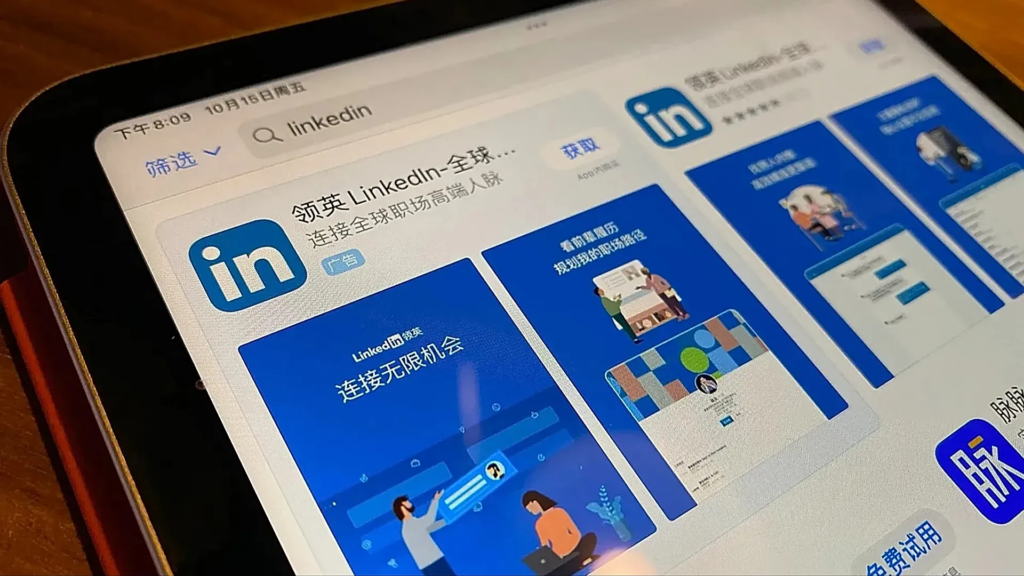
MI5 has issued a new alert to UK lawmakers warning that Chinese intelligence services are using LinkedIn to approach, cultivate and potentially recruit political figures. According to House of Commons Speaker Lindsay Hoyle, Chinese nationals are conducting outreach at scale to gather information and build long-term influence across the political ecosystem.
Source: EuroNews
The threat goes beyond Parliament, with economists, think tank experts and government officials also being targeted. Security Minister Dan Jarvis called it a covert attempt by a foreign power to interfere in the UK’s sovereign affairs, reaffirming the government’s firm stance against such activity.
British intelligence agencies have increasingly emphasized China as a persistent security concern, though the government has avoided formally designating China as an “enemy” – a decision that recently contributed to the collapse of a major espionage case. MI5 previously issued a similar alert in 2022, highlighting political interference linked to a London-based lawyer acting on Beijing’s behalf.
The Global Green Skills Gap Widens as Demand Outpaces Supply
LinkedIn’s 2025 Green Skills Report shows a widening gap between the demand for sustainability talent and the supply of workers with the right expertise. Green hiring is growing nearly twice as fast (8% annually) as the development of green skills (4.3%), raising concerns about whether the workforce can support global climate goals.
The tech sector leads the surge with 11.3% growth in green hires, driven by the dual pressure of AI’s environmental footprint and the need for climate-compliant innovation. Financial services follow closely, especially in Europe, where new regulations fuel demand.
Source: LinkedIn
For the first time, 53% of green hires are in non-green roles, confirming that sustainability skills are now essential across departments. Workers with green expertise enjoy a 46.6% higher hiring rate, with even larger premiums in markets like India.
Energy and utilities face the sharpest shortages despite having the largest share of green talent, as global electricity demand rises and investments flow into renewables and nuclear. Gender gaps further threaten progress, with women underrepresented in key high-demand sectors.
LinkedIn urges governments to integrate workforce development into climate policy, warning that up to 51% of future green talent needs may go unmet without urgent intervention.
LinkedIn Rejects Claims of Gender Bias in Content Reach
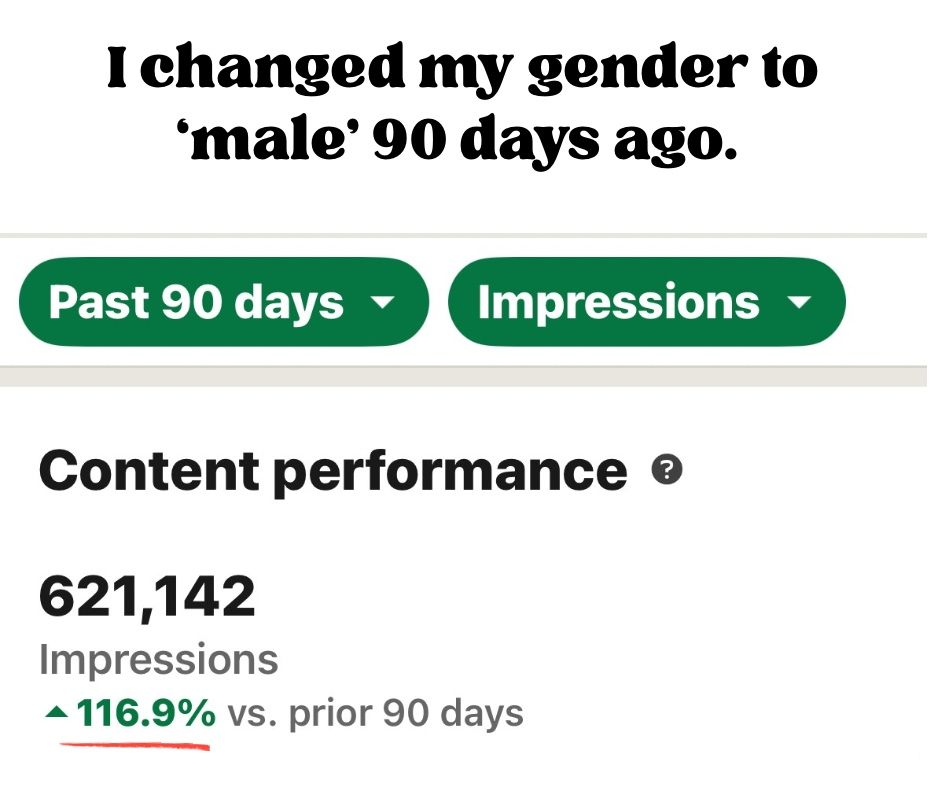
Several LinkedIn users have reported major differences in post performance when switching their profiles from female to male identities, with some claiming up to 700% more impressions on identical content. The trend, amplified through the #wearthepants hashtag, raised questions about whether LinkedIn’s algorithm favors male profiles.
Responding to the controversy, LinkedIn’s Sakshi Jain stated:
“Our algorithm and AI systems do not use demographic information (such as age, race, or gender) as a signal to determine the visibility of content, profile, or posts in the Feed.”
According to LinkedIn, gender is not used in ranking signals, and variations in reach stem from factors like timing, audience activity, and increased content volume on the platform. Jain stresses that side-by-side comparisons are not reliable evidence of bias, as reach is influenced by many real-time variables.
Source: Felice Ayling
Another possibility is user-driven bias. Audiences may subconsciously engage more with posts perceived as male-authored but these experiments cannot fully confirm that. LinkedIn also conducts internal tests to ensure no demographic group is systematically ranked lower, though acknowledging these tests suggests the platform does measure demographic experiences.
Ultimately, LinkedIn maintains that there is no gender-based weighting in its algorithm, and that reach disparities are not driven by demographic settings.
The Linked Blog is here to help you or your brand have the best possible LinkedIn presence, so feel free to contact us if you need help! See more about what we can do for you here.