As LinkedIn continues to evolve, three major developments are shaping the way users create, connect, and measure success. From the introduction of video cover images for articles and newsletters, to a new wave of AI-powered recruiting tools, and a data-driven approach to measuring social media impact, the platform is clearly doubling down on performance, personalization, and presence.
LinkedIn Articles Get a Video Makeover
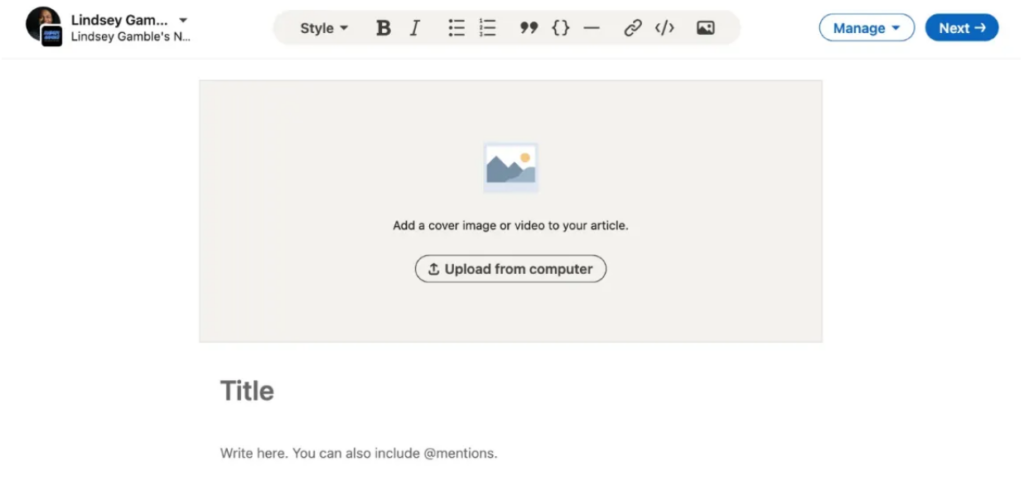
The platform is rolling out the ability to add video cover images to articles and newsletters. This update gives users a new way to make their content stand out in the feed by replacing static header images with short, horizontal videos. These video covers not only play directly in-stream, but they also show up as thumbnails in subscriber emails, increasing visibility and click-through potential.
According to LinkedIn, video continues to outperform other formats in engagement. Video content is now 20 times more likely to be shared on the platform, with year-over-year video viewership up 36%. Native articles already benefit from algorithmic support, and combining them with video could offer a significant boost in reach and engagement. The platform recommends keeping videos under 30 seconds and formatted in a 16:9 ratio to align with the article layout.
Source: SocialMediaToday
Company pages are also included in the update, with access to video headers for both long-form articles and newsletters. For brands, this means a new opportunity to visually differentiate their thought leadership and boost in-app performance.
LinkedIn Expands AI Tools for Recruiters with Conversational Search
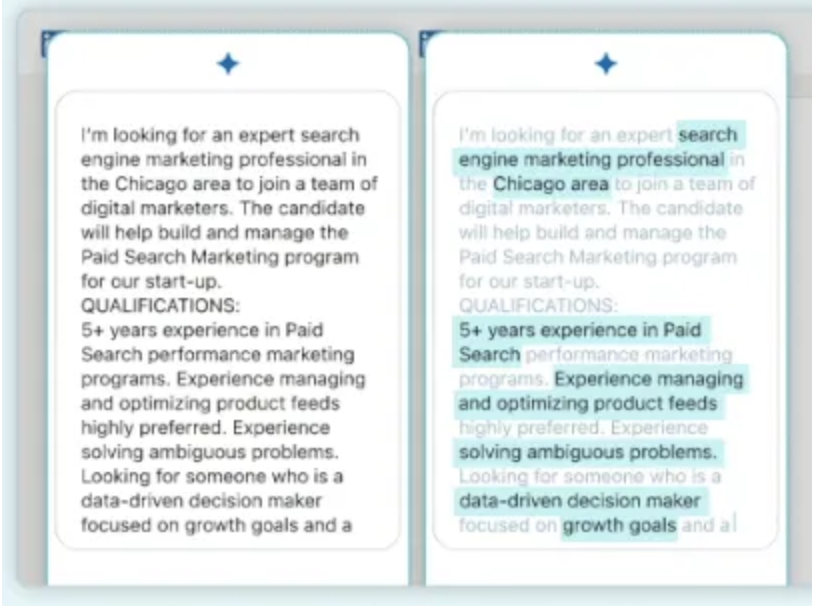
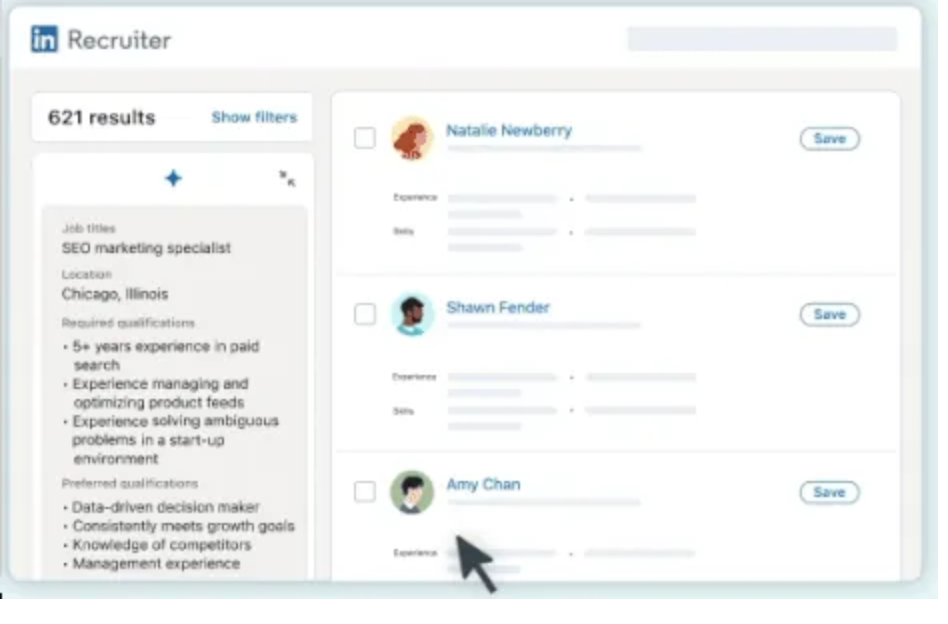
The new Advanced AI-Assisted Search is changing the way recruiters discover talent. Instead of relying solely on specific keywords or filters, recruiters can describe what they’re looking for in their own words. The AI then translates these descriptions into structured search criteria and refines results dynamically based on recruiter interaction.
As LinkedIn explains, “Advanced AI-Assisted Search offers a more intelligent and intuitive way to discover talent by understanding the intent behind your search prompts and refining results accordingly. This makes it easier to uncover high-potential candidates who may not match a job description word-for-word but still possess the right qualifications.”
Source: SocialMediaToday
Recruiters can add job descriptions or intake notes, and the system will automatically identify required and preferred qualifications even for nuanced roles. This is part of LinkedIn’s growing suite of recruiting automation tools that support everything from talent identification to interview scheduling.
Source: SocialMediaToday
While these advancements offer clear efficiency gains, they also raise potential concerns. As more candidates use AI to optimize their resumes based on job descriptions, applications may start to sound similar, making it harder to identify truly standout candidates. Nevertheless, the goal remains to cast a wider net and help employers connect with qualified professionals they might otherwise overlook.
Measuring Social Media Success Gets Smarter
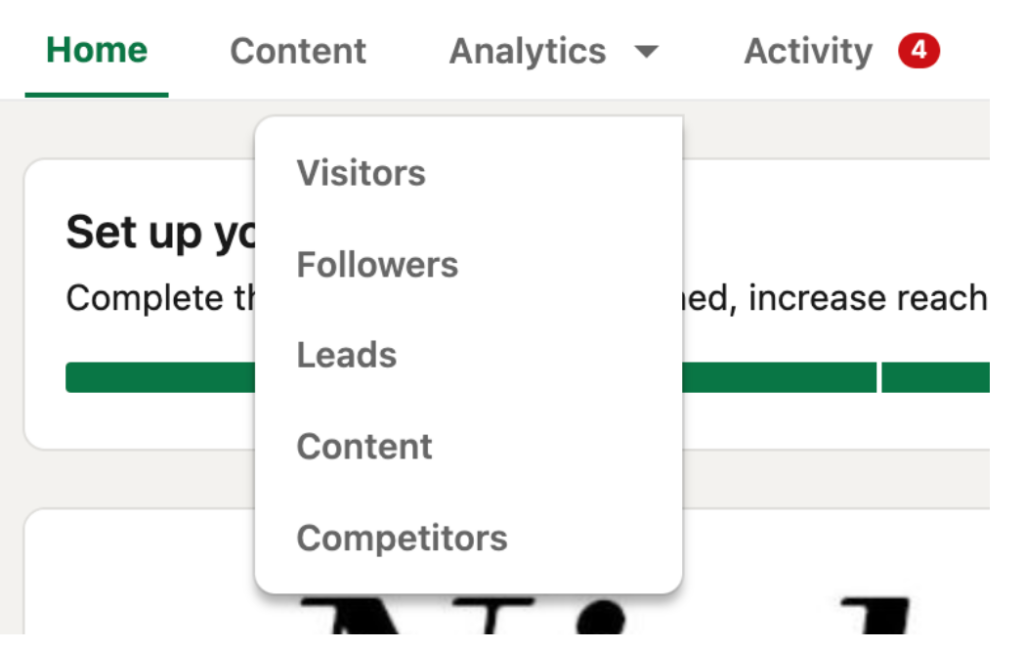
According to the Sprout Social Index 2025, marketing leaders increasingly emphasize metrics that demonstrate real business impact – such as engagement rate, reach, impressions, response time, and content ROI.
In an increasingly crowded digital landscape, understanding what works is key. The report outlines the metrics that matter most to brands and social teams, moving beyond vanity indicators like likes and followers.
Source: Sproutsocial
To make sense of this growing complexity, high-performing teams are investing in consistent reporting cycles and visual storytelling. By sharing metric trends across departments, they’re better equipped to align marketing goals with business outcomes. Tools like Sprout Social, Tableau, and Google Analytics help teams identify which types of posts convert best and how performance evolves over time.
As the demand for accountability and clarity increases, it’s clear that successful LinkedIn strategies require more than great content – they require a deep understanding of performance and audience behavior.
The Linked Blog is here to help you or your brand have the best possible LinkedIn presence, so feel free to contact us if you need help! See more about what we can do for you here.